It amazes me how often Haiti is a study in extremes, not only between the most obvious of oppositions: rich/poor, white/black, have’s/have-not’s—but also between the more subtle and insidious of extremes—the ones I notice once I’ve returned to the US and realized all over again just how much we as Americans have and just how much the people of Haiti don’t.
I understood this even more clearly yesterday when I thought about how well “we-with-the-leisure-to-read-blogs” have it, that one of our biggest anxieties during the Holiday Season is the worry over whether we’ve gotten Uncle Joe or Cousin Rita just the right gift—from perfect stocking stuffer to the most ideal of electronics—iPhone, iPad, iPod. It’s i-ronic just how much “I” is in our gift-giving, how many “me’s.”
I realized that the leisure and disposable income gift-giving presumes suggest profound things about these two countries I now call home. Namely, if we have the time and energy, not to mention the funds, to spend on gifts, then we obviously aren’t worrying about keeping our children safe from cholera, aren’t worrying where our next meal might come from, aren’t worrying how we’ll keep our babies dry during the rain at night, the torrential downpours that turn the floors of our tents into pools of liquid, dripping mud.
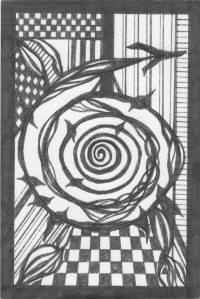
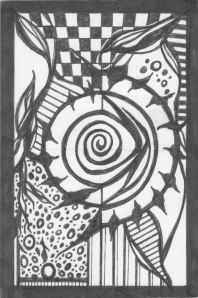
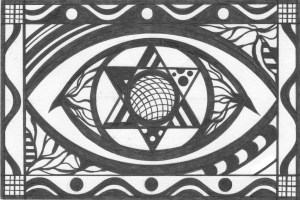
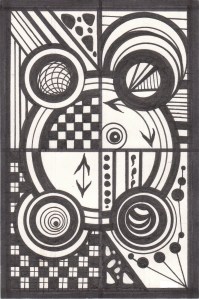
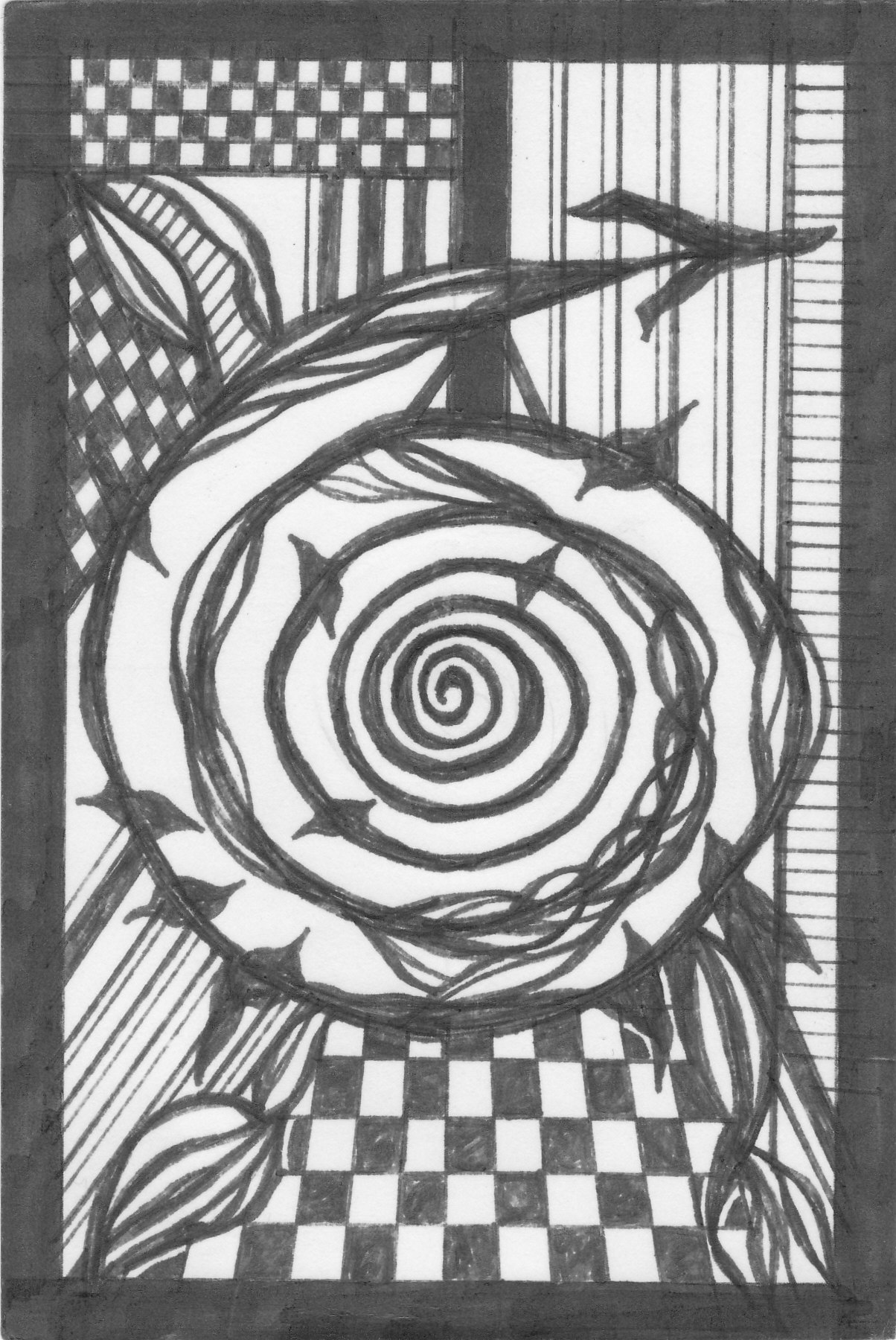
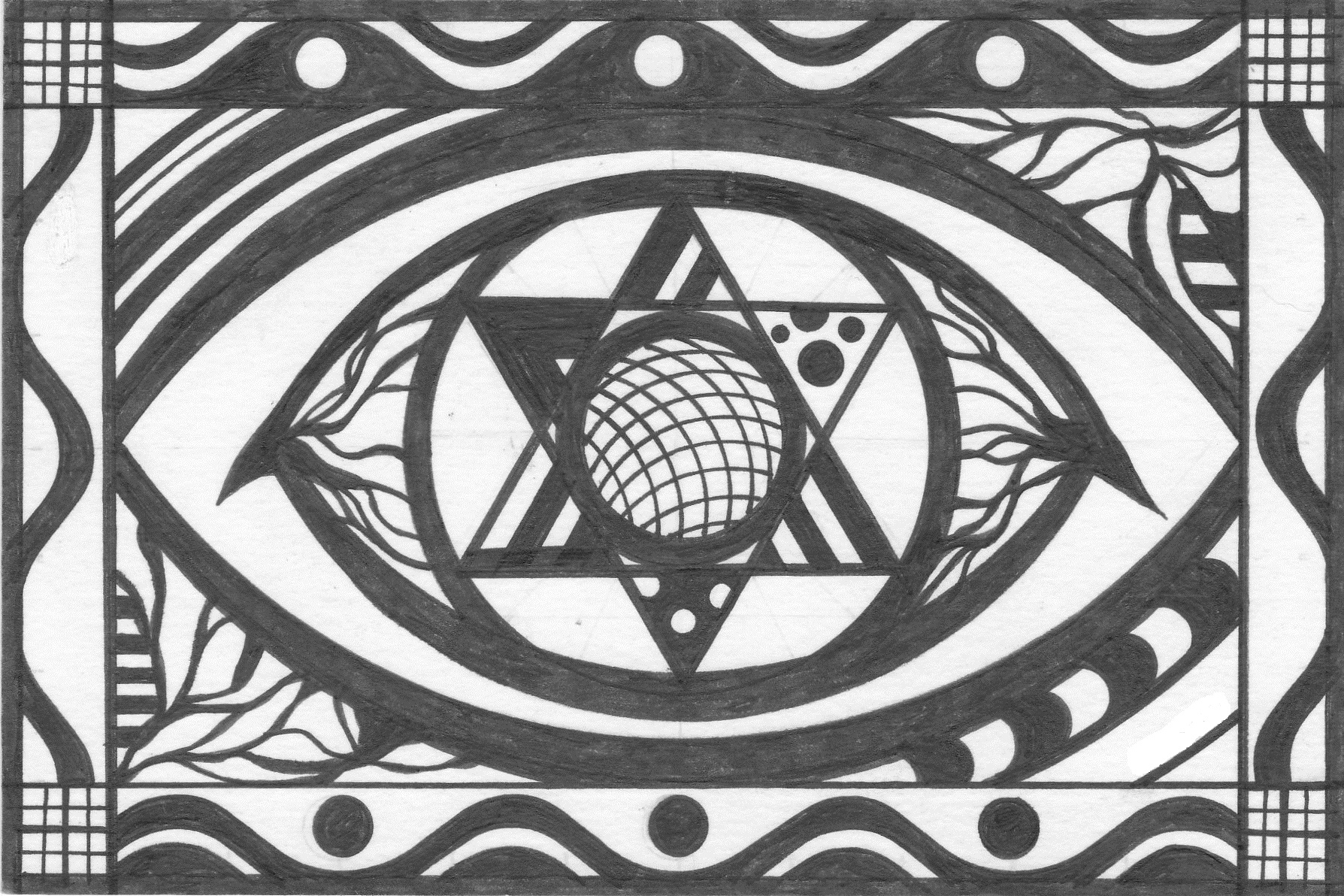
However, sometimes I think that my graphic, black and white drawings, even my poems, express something about the extremes of Haiti that these well-chosen words of explanation fail to communicate. So in closing, I offer some recent, some not-so-recent drawings that try to articulate in ways these words do not—the kinds of graphic contrasts that keep me awake at night—not only in Haiti—but in other places, as well. Below the images are used to punctuate a poem I wrote some years ago, one written in the voice of someone displaced, alienated, alone—someone struggling to climb up out of endlessly hopeless circumstances, someone not unlike the poorest of the poor in Haiti.
On Rattlesnake Mountain
At dusk we lock
the iron gate
collecting bones
bleached in tufts of matted grass
scaffolding the bluff
I insist on picking them
a carcassed bouquet
of cow bone
picketting our path
back up the crooked slope
Eye sockets shape
a separate ascent
dead leaves
thicken the air
like smoke
The moths are tongueless
it’s simple to blame
the mothers
their beaks vacant as stairs
I climb a thicket ofdry sticks
(For a more light-hearted and truly hysterical look at the holiday, I suggest you read today’s post on “The Ramblings.” Tori’s comment helped me gain some of the insights I share here.)
0.000000
0.000000
Please share with your friends! Thanks so much!



 Kathryn M. McCullough