Haiti Inhabits my Old Kentucky Home


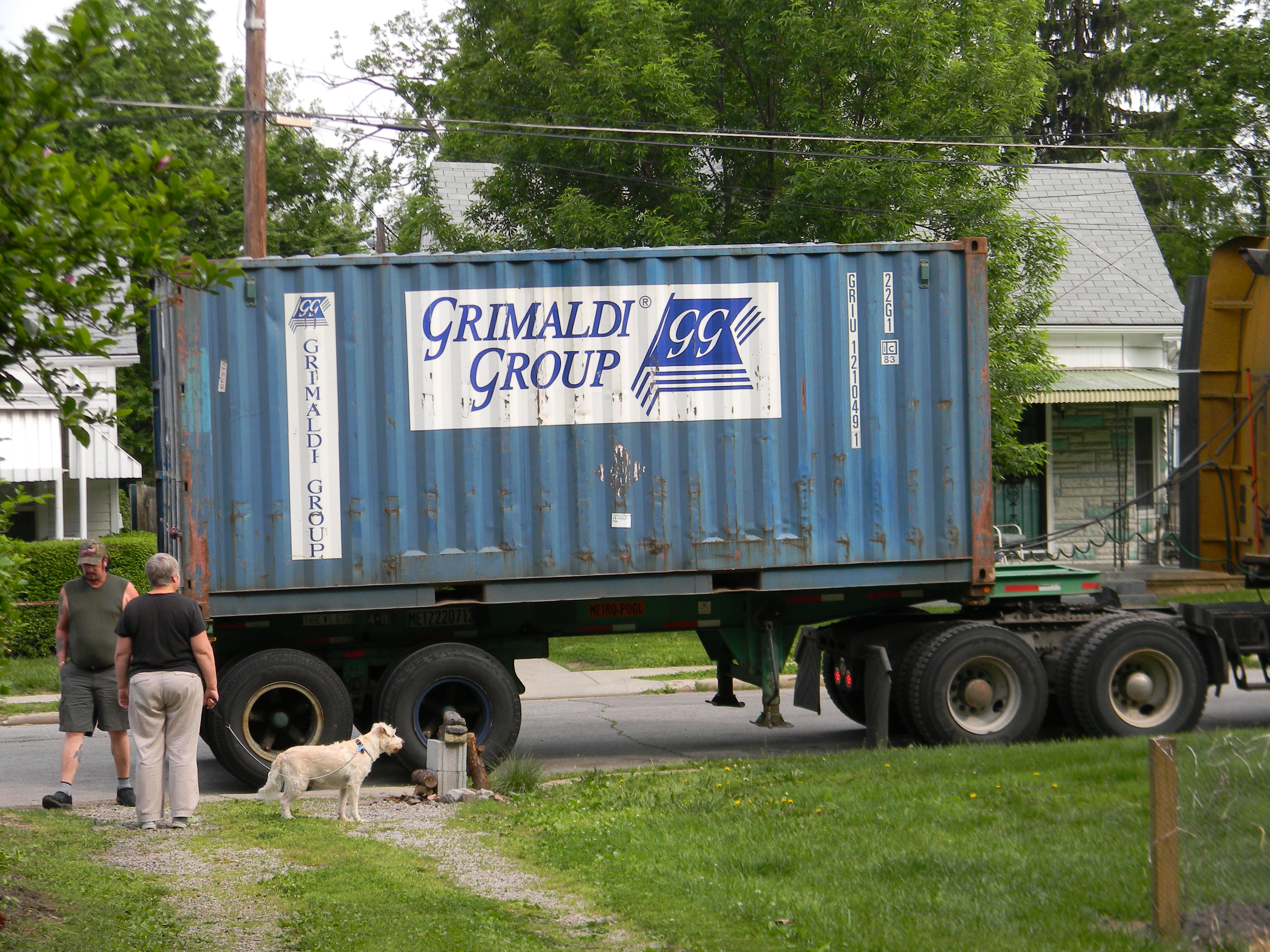
The transfer of power is complete in one Kentucky living room, as, indeed, a pair of Lexington lesbians took control of one Haitian shipping container, an over-sized metal box that moved in Friday morning, coughed its content on the lawn, and quickly left the scene.

Ultimately dishes, pots and pans were put away; paintings and iron sculptures made their way onto walls. 

An incredible scene of order and international diplomacy, as Lexington welcomed Haiti to its old Kentucky Home.  Even Donald Trump tried to take credit for this display of cooperation among the Americas.

Today a photographic tour of the event—

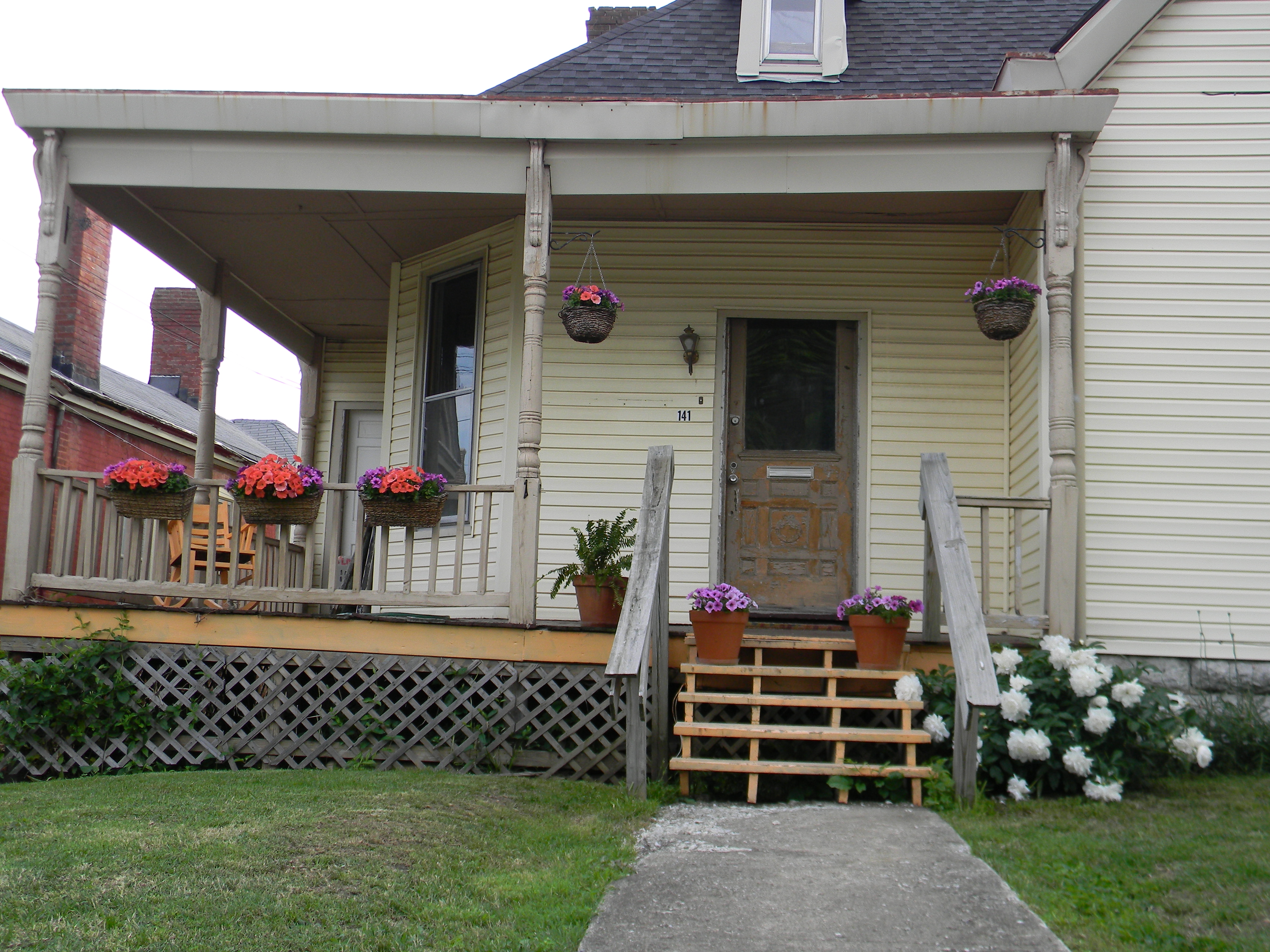
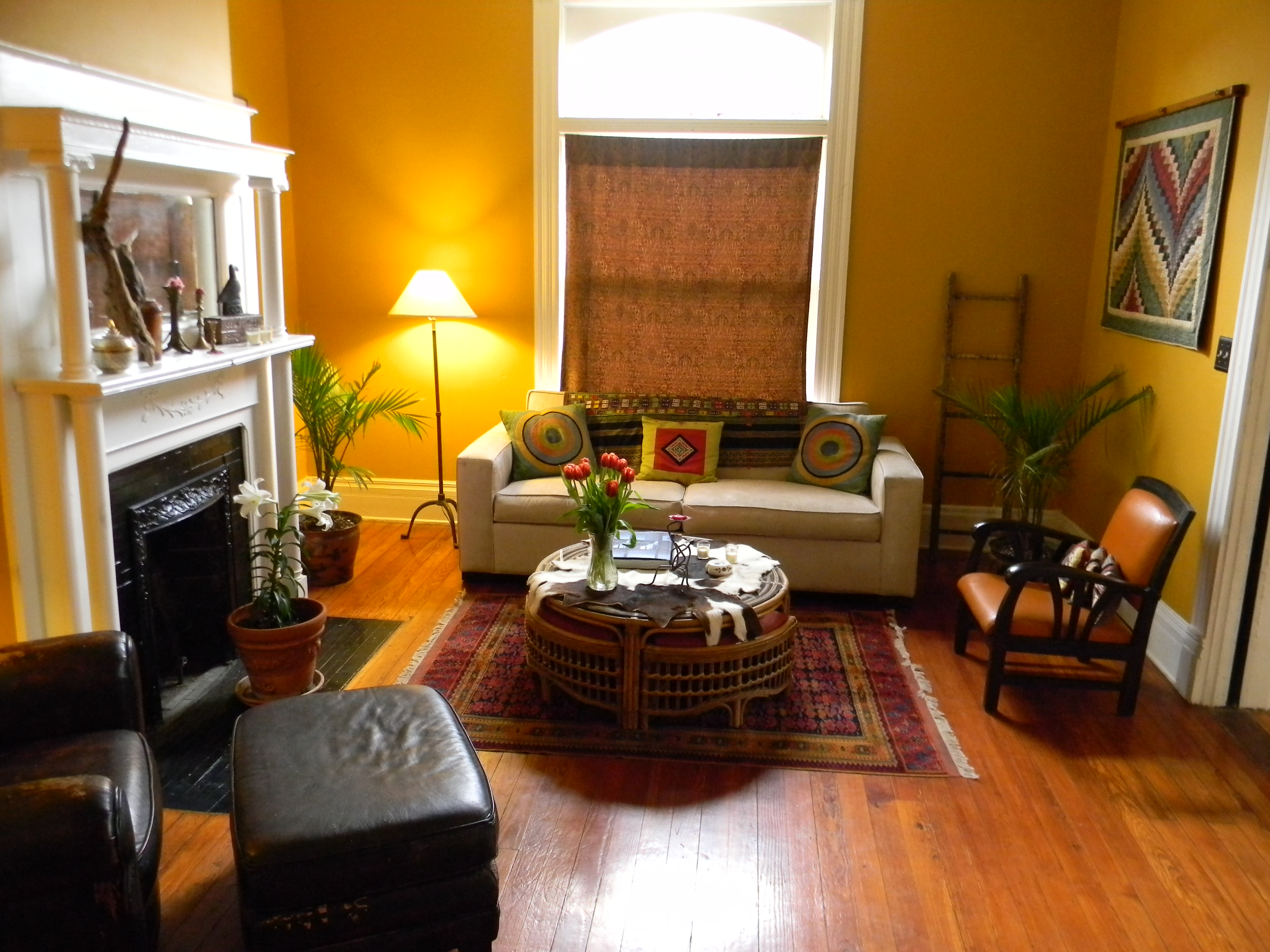
First, our house on 4th Street where the container arrived—my old Kentucky home:

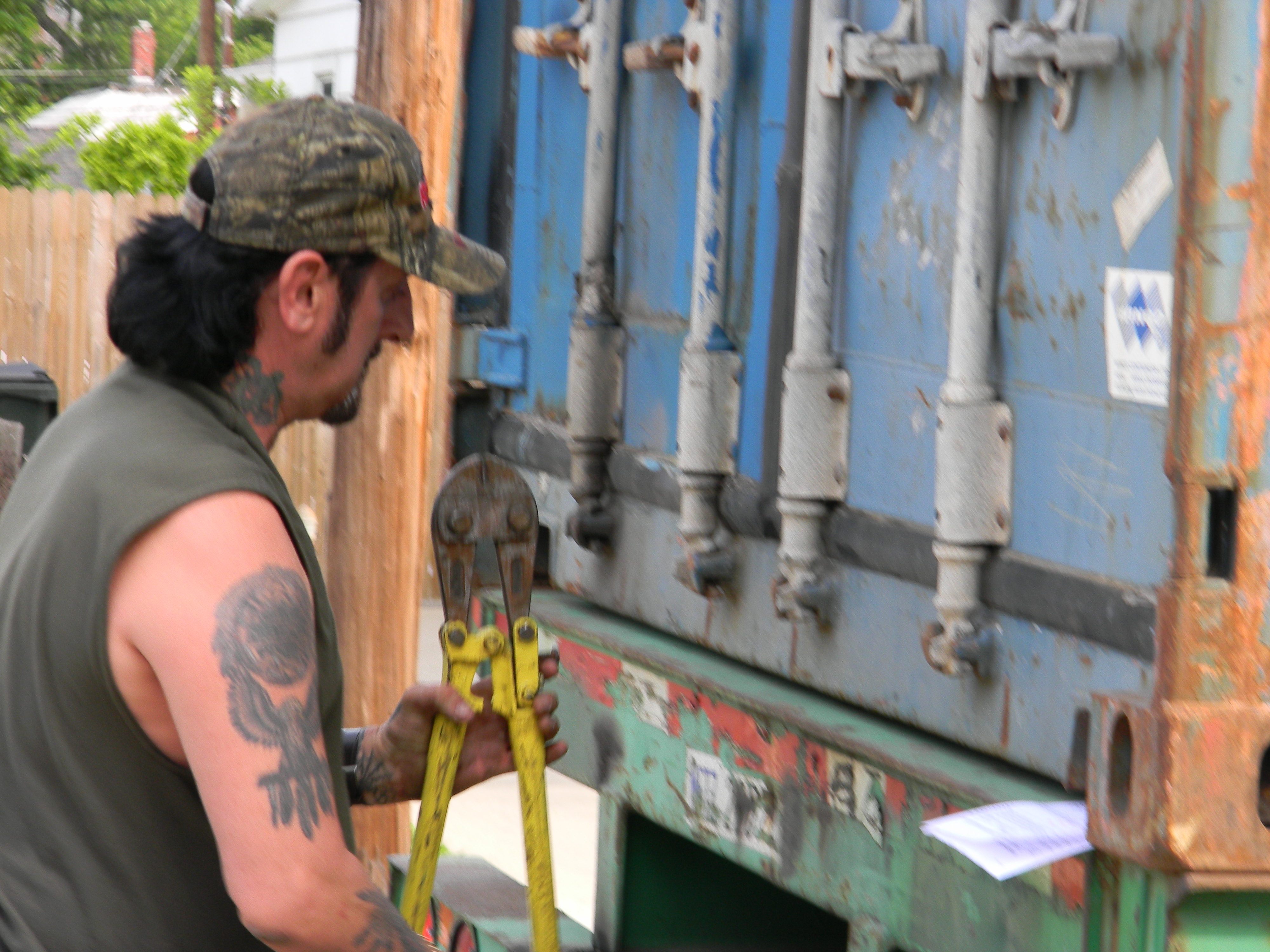
The container lock is broken:

Sara and Ralph prepare for the unpacking:

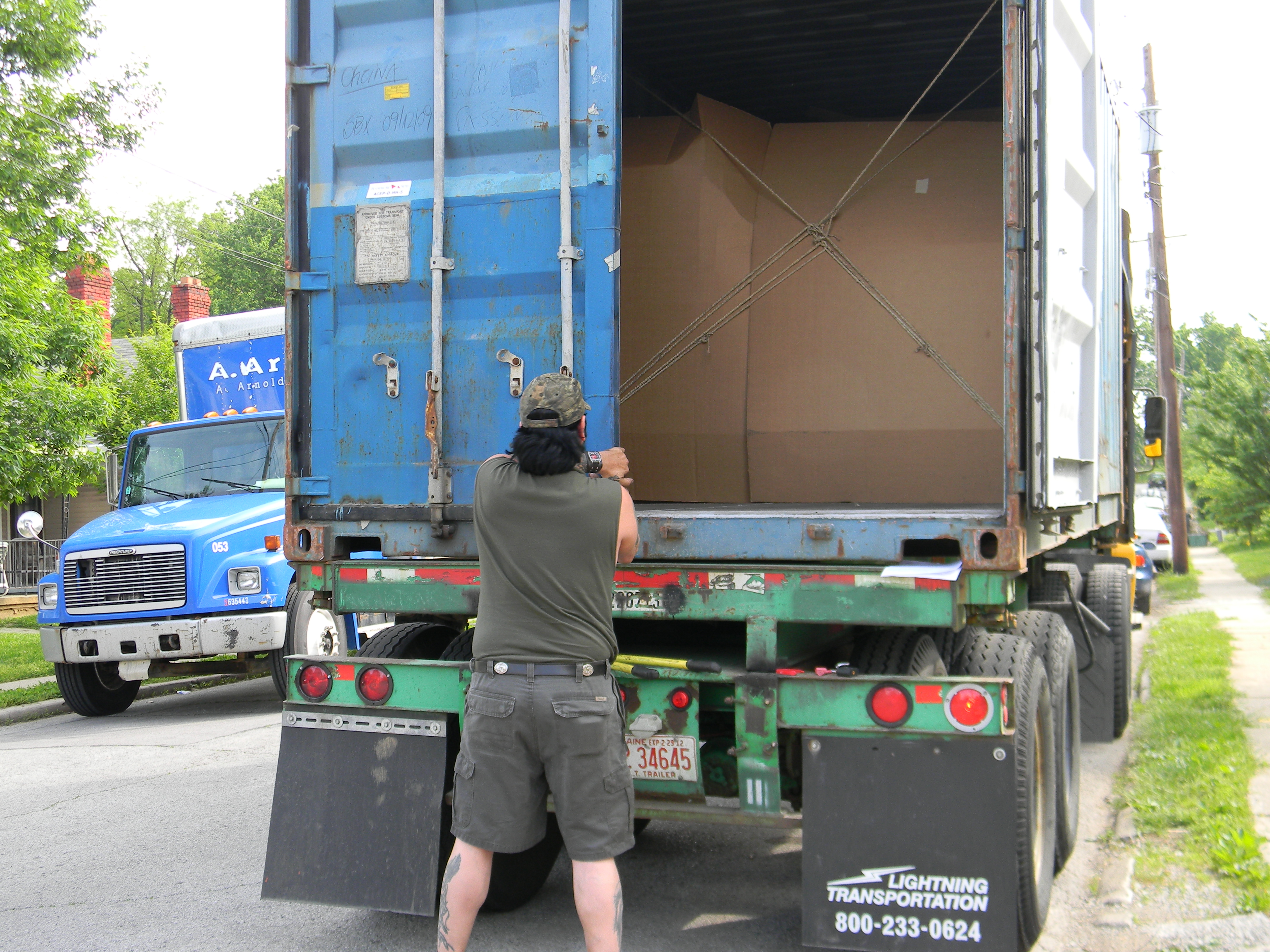
The doors open:

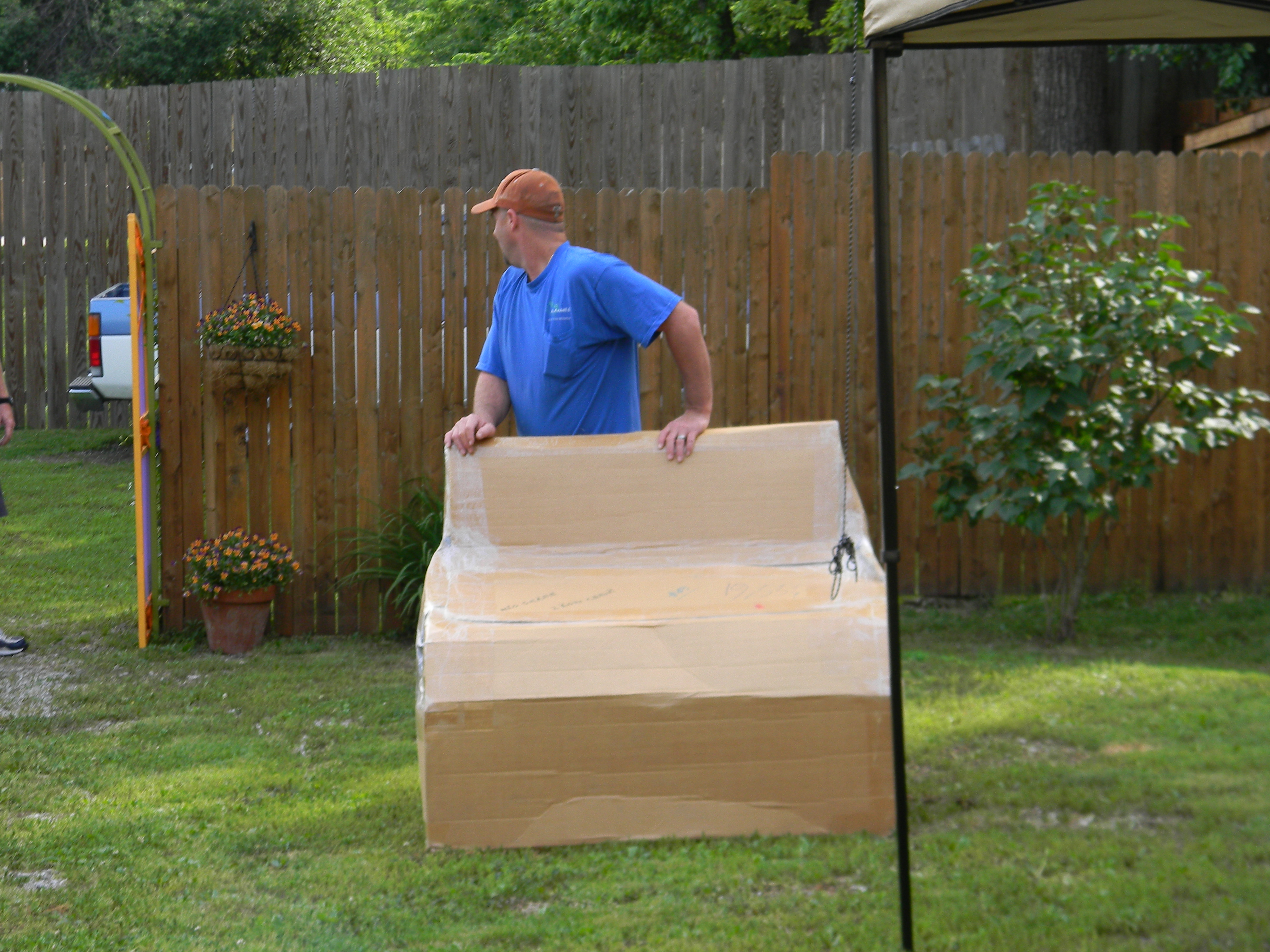
The first box arrives on Sara and Kathy’s Lexington lawn:

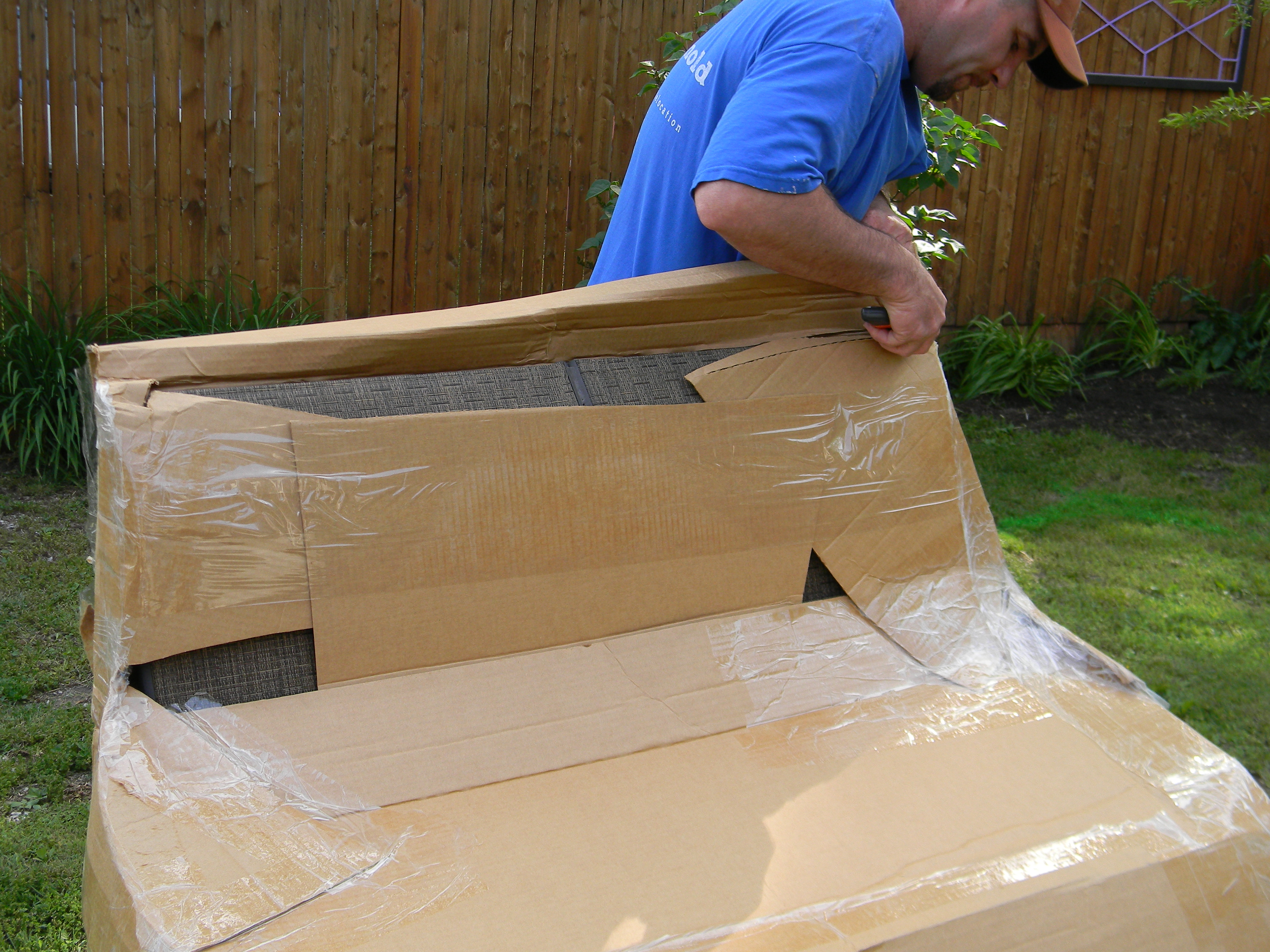
It’s like Christmas as each box in unwrapped:

More and more boxes:

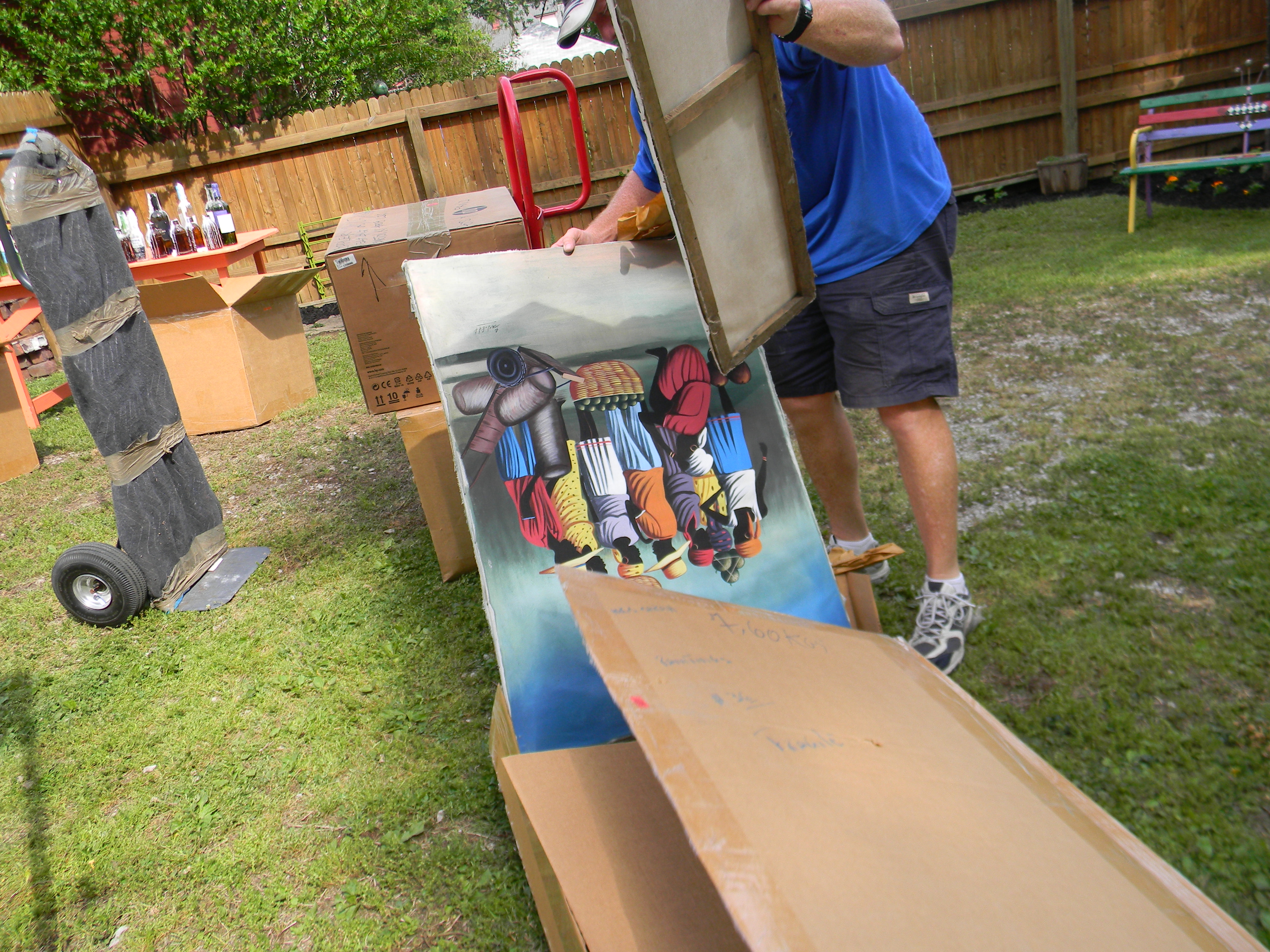
Eventually, art is unboxed:

Ralph gets in on the action–emphasis on action:

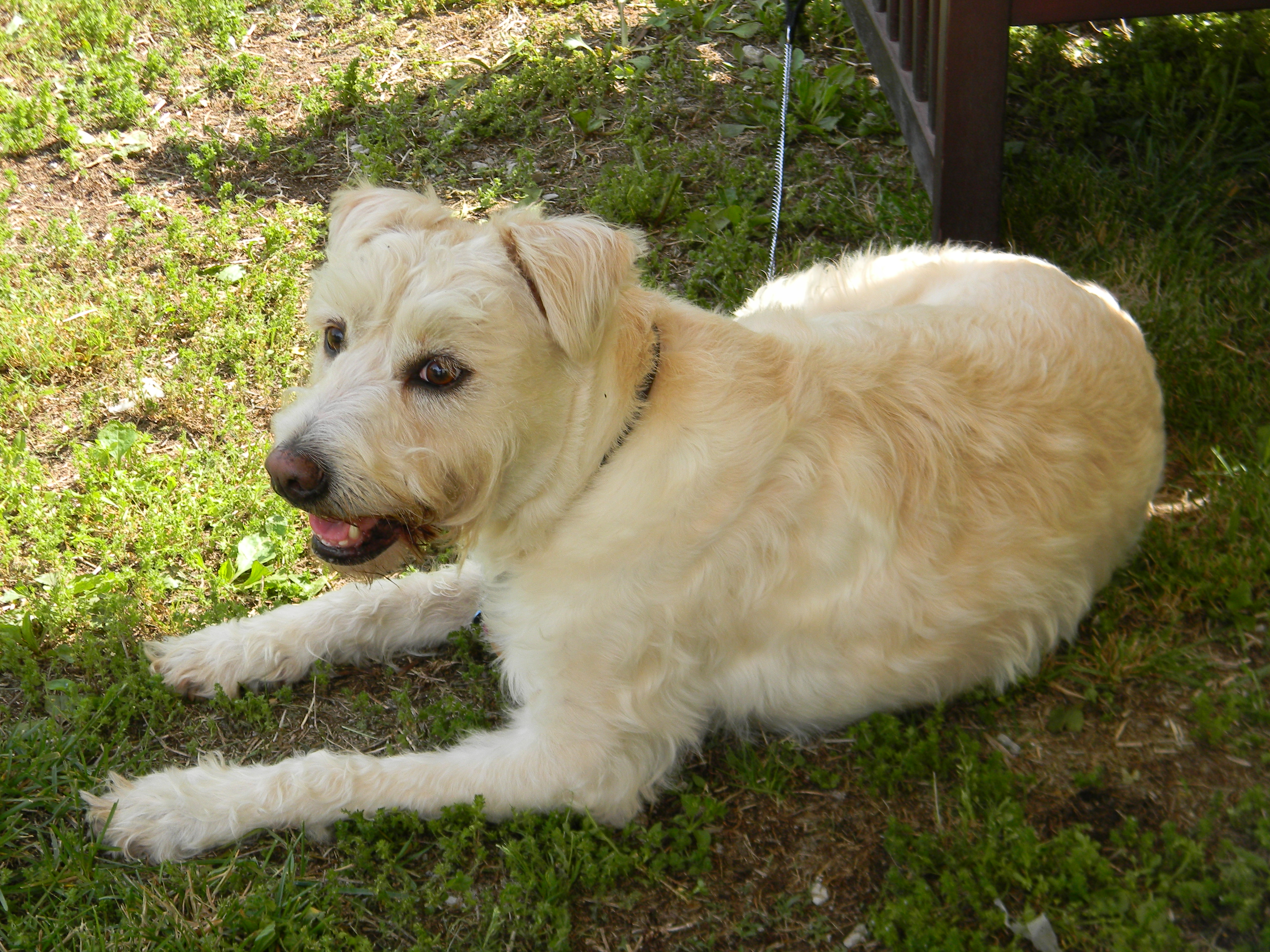
Lucy helps:

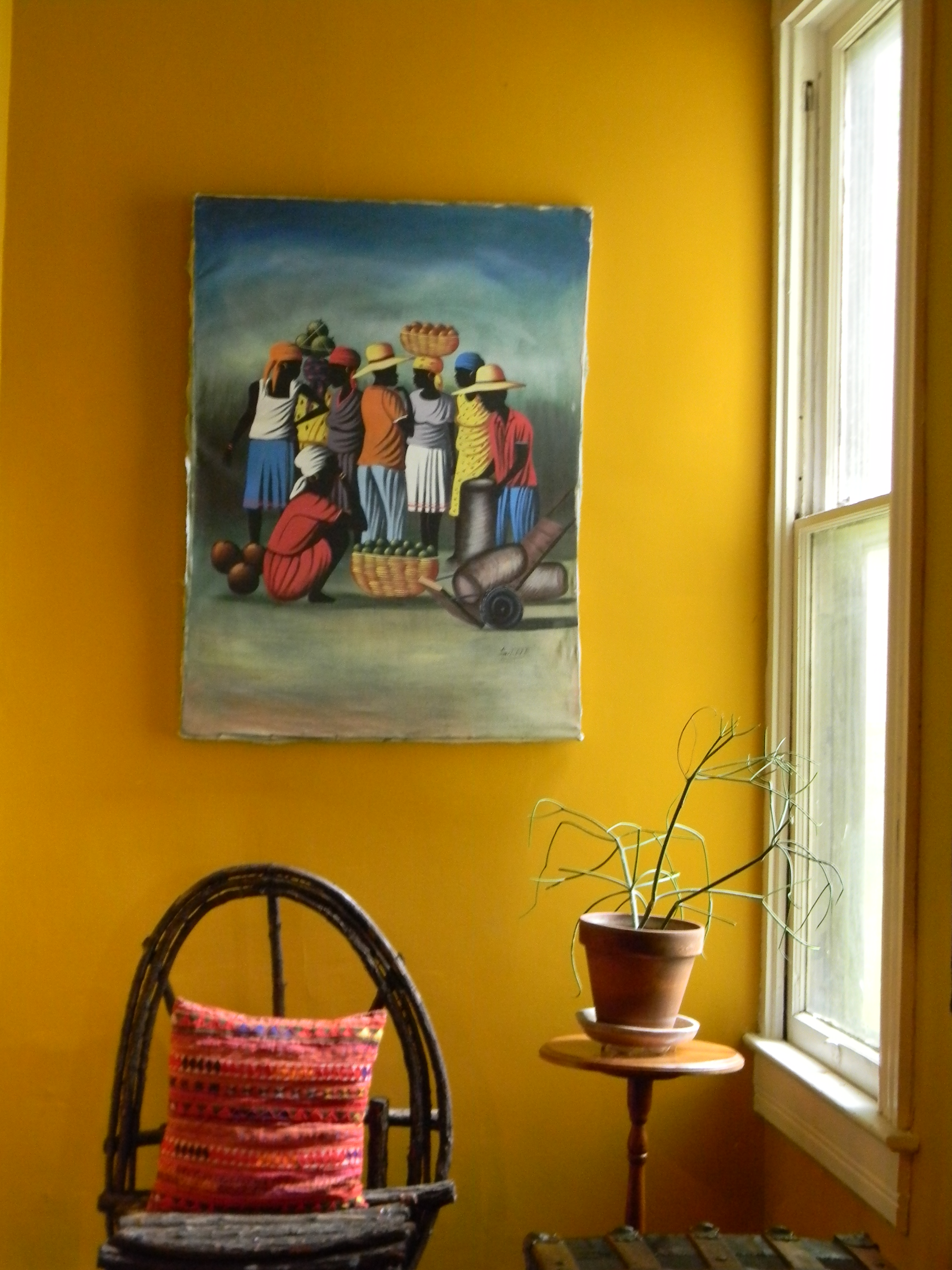
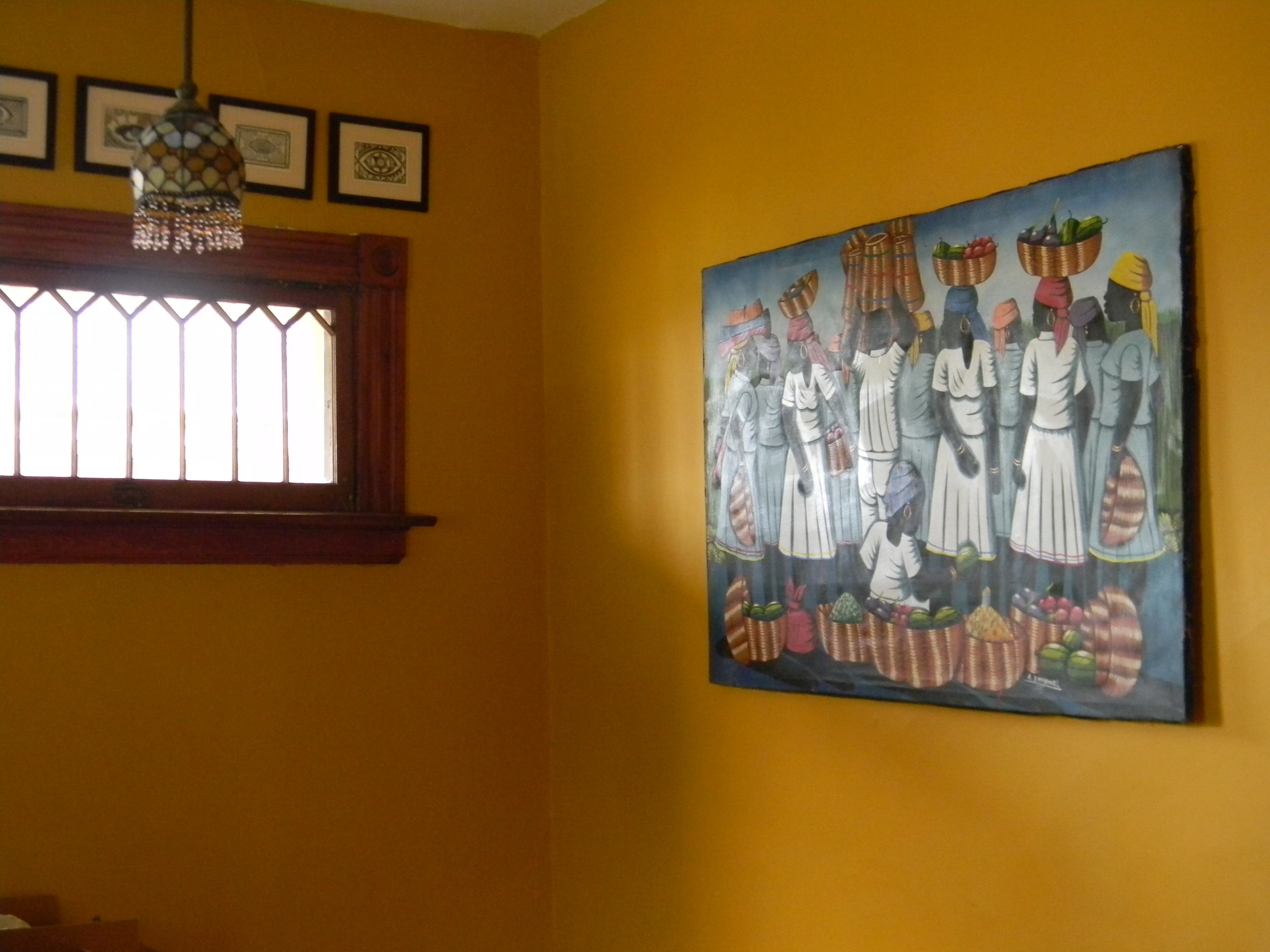
With the dogs’ help, eventually, it all gets moved indoors.  And art makes it up on walls:


More art on another wall:

Above the fireplace:

In the dining room, as well:

And even in the entrance way:

Now that we’ve about got things put away and in order, Sara will soon be reassigned to another international location, and we’ll start the process all over again in another month.

On the road again . . .

“Brainwashed” for Sanity’s Sake? (Sheltering Crazy in America)


As, I suggested yesterday, mental illness for me meant an ever-evolving sense of place.  It meant, more specifically, my middle class experience of home quickly degenerated, as I found myself in the most secure and restricted units of state-run psychiatric facilities. 

And what was most strange about this already bizarre devolving was the feeling that I belonged there—that I was safe.  I not only felt secure, I felt contained nowhere else, believed I belonged in those narrowed limits of opportunity and options. 

Tell me where to go; tell me when to eat.  I was fine with all of that.  Just don’t make me face a time-is-money world where feelings mattered less than what one earned and the kind of car one drove.  This all drove me to the brink and back, and I wanted to be nowhere near the edge where “me” met world, where folks felt fine that I was on the edge of nowhere and falling off.

At Parkside Hospital in Oklahoma, I wrote about feeling okay with my incarceration, recording on March 19, 1990:

. . . I worry a lot about the outside.  This place feels so safe and secure—except for the fact that my animals are not here.  They’re really the only thing I miss . . . .

I remember that the hospital, ironically, allowed me a feel a glimmer of hope—less like a complete failure, since I didn’t have to face the fact that I couldn’t function—that I couldn’t complete the tasks of daily living.  In the outside world I faced my inadequacies on every front.  Since even brushing my teeth felt like an over-whelming task, I couldn’t manage to do much else, let alone cook or clean.  In the hospital, however, I only had to brush my teeth—nothing else was expected of me.  So I was free to feel success even on these very limited terms.  Once I’d showered or combed my hair, I didn’t then have to face fixing myself something to eat, seeing that the dishes were done, the floor was swept. 

In the hospital’s shelter I could actually luxuriate in having accomplished a shower and change of clothes, since sanity was a huge enough task in and of itself.  I lived moment by less-than-sane moment, reaching for some semblance of sanity—some semblance of safe, if only in the ritual of bathing.  The hospital was where I managed to literally bathe, so that my thinking, as well, could be baptized in the basics of sanity.  Here shelter meant washing (brainwashing even), a sacrament of clean.

 (to be continued)

Note:  We just found out that our 20 foot container from Haiti should be delivered to our home in Lexington on Thursday or Friday.  This could impact my ability to post later in the week, as we will have 66 boxes to unpack in an already full house.

Also, I forgot to mention yesterday that my post “Leaving the Seclusion Room” was published as an op-ed in this past Sunday’s Lexington Herald Leader.  Editors at the paper changed my title and a few sentences here and there, but if you’d like to take a look, click here.

A Weekend Away from Post-a-Day


Over the weekend Sara and I have been busy hosting Easter dinners for each of our families.  Sara roasted a leg of lamb with ginger carrots.  I decorated our house for the holiday. 

Here are a few photographic highlights of my weekend away from the blogosphere:

our library ready for Easter hors devours

living room set up for egg hunt
I hand-painted eggs for the occasion.
table set for Easter dinner

 What was the highlight of your holiday weekend?

Variations on Exile (Baby Doc, Part 3)


(To read Part 1 of this post click here, to read Part 2 click here.)

It’s been six days since I interviewed Baby Doc and I am still reeling—whirl-winded by the sheer size of the experience, the weight, the scope of opportunity that came so unexpectedly.

And, frankly, I’ve not digested the experience yet— it seems to have exhausted me; I feel depleted–confused by having almost “liked” the version of Duvalier I met that night.  What does one do with that realization?

Quite frankly I wish I were back in Haiti now. 

Certainly, I love our home in Lexington and enjoy seeing Sara’s happiness at being here, but I would do anything to be in Port-au-Prince when Aristide arrives.  The plane to return him from exile has already left South Africa; he’s expected to arrive in Haiti within hours.

But if I had to identify one overwhelming response to meeting Jean-Claude Duvalier, it would be this—a bit of dismay at how intrigued I still am by him—not Baby Doc the dictator, but Baby Doc the man, the details of ordinary around him. 

The fact that his house, though perhaps the grandest on his street, was not as spectacular as I had suspected it would be.  The couches in the living room seemed old and worn.  There were no fancy fixtures.  The wrought iron chairs on the patio needed paint.

But then again, that’s what we all amount to in the end—the peeling paint, the nicks, the scars.  The couches need recovering.

The bottom line is this:  the story of Haiti is largely one of exile and variations on that theme—coerced comings and goings, arriving unwillingly on a tiny island, you then don’t want to leave.

So it was for the slaves the Europeans brought from Africa, and so it was for Jean-Claude Duvalier, made president for life at age 19 when his father died, a job he didn’t want, a role he didn’t want to play.  He ruled for 15 years, was exiled for 25, and has finally come home to Haiti again.

And in some ways, so it is for Sara and me.  Though we came willingly to Haiti, we were not at all ready to leave, and having left feels like a loss, an amputation.  Haiti is the phantom limb, the one I dream about, the one that calls to me at night.

Eventually we all get kicked off one island or another.  A tribal council is convened.  The votes are cast.

And someone has to go–

The Butterball Challenge (Haitian Style)


As Sara and I continue to pack up our lives here in Haiti, and I continue to reflect and reminisce about some of Haiti-related “challenges” we’ve faced over the last year, I simply must share, for those of you who may have missed it, the following about our effort to prepare a sit-down Thanksgiving dinner for 24 under, shall we say, less-than-ideal conditions:

In honor of the upcoming holiday, I’ve decided to share, over the next several days, a few of the challenges we’re facing trying to prepare Thanksgiving dinner from Haiti.  So stay tuned all week for the sometimes amusing, sometimes maddening, sometimes mind-numbing complications that inevitably arise when celebrating this most American of holidays in the least American of locations.

Today I give you the oven-related challenges.


Is my Haitian oven up to the Butterball challenge?


I told Sara when we were looking for a house here in Haiti, that I simply had to have an oven.  Neither of the two homes we had in Vietnam had anything other than a cook top in the kitchen, which bothered me to no end, since I like to bake—cookies, cakes, biscuits, pies, muffins.  The only thing I like more than making them is eating them, but that’s another post for another day.

 So Sara did what any Tollhouse-cookie-loving partner would do.  She got us an oven—a real honest-to-goodness gas oven—minus the thermostat.

 I kid you not.  There’s no way to set any specific temperature on this most essential of kitchen appliances, any temperature either Fahrenheit or Celsius.

 Now, I love Sara more than anything, even more than my daily dose of cake and cookies, and those of you who know my inclination toward carb-consumption, know that’s saying quite a bit.  But sometimes she misses the most obvious of details.

 “Oh, that’s not that important.  You’ll figure that out.”

 Twelve attempts and twelve burnt batches of cookies later, I’m still figuring. 

 Which brings me to the matter of needing an oven this week, a temperature controlled oven, I might add.   In America we can’t celebrate Thanksgiving without pumpkin pie.  It’s the most Thanksgiving of Thanksgiving desserts—even when celebrating from here in Port-au-Prince—especially when celebrating from any far-away, cholera-sickened, earthquake-toppled part of the planet!

 A pumpkin pie likes to bake for the first 15 minutes at 425 degrees Fahrenheit and the final 45 to 50 minutes at 350, temperatures too precise even for the oven thermometer I brought back from the US.  It only seems to get me in the ballpark of a particular temperature, give or take 100 degrees. 

 But what about the turkey Sara plans to roast, what about the thermostatic requirements of the old Butterball?

 Oh, that’s not that important.  She’ll figure that out.

Have you had any memorable Thanksgiving dinner disasters?

Haiti: The Art of Recovery


I’m a wanna-be artist, a sort-of, almost artist—certainly not by training and clearly not because of craft. 

I’m also an artist who has struggled with bipolar disorder, someone who appreciates the creativity that is often an unexpected gift accompanying the illness.  I’m someone who has not only made art when I was sick, but continues to create even when I am well, as an outgrowth of recovery.  In the art world I’m what would be called an “outsider” artist.  I don’t always know what I’m doing.  I just do.  Art. 

I’m also a writer and artist who has lived in Haiti for the last year with my partner.  Sara has directed an international NGO’s response to the earthquake.  But we are preparing to go home next week, and I’m thinking not only about what Haiti has given me, the gifts I will take home, but also what I’ll leave behind.

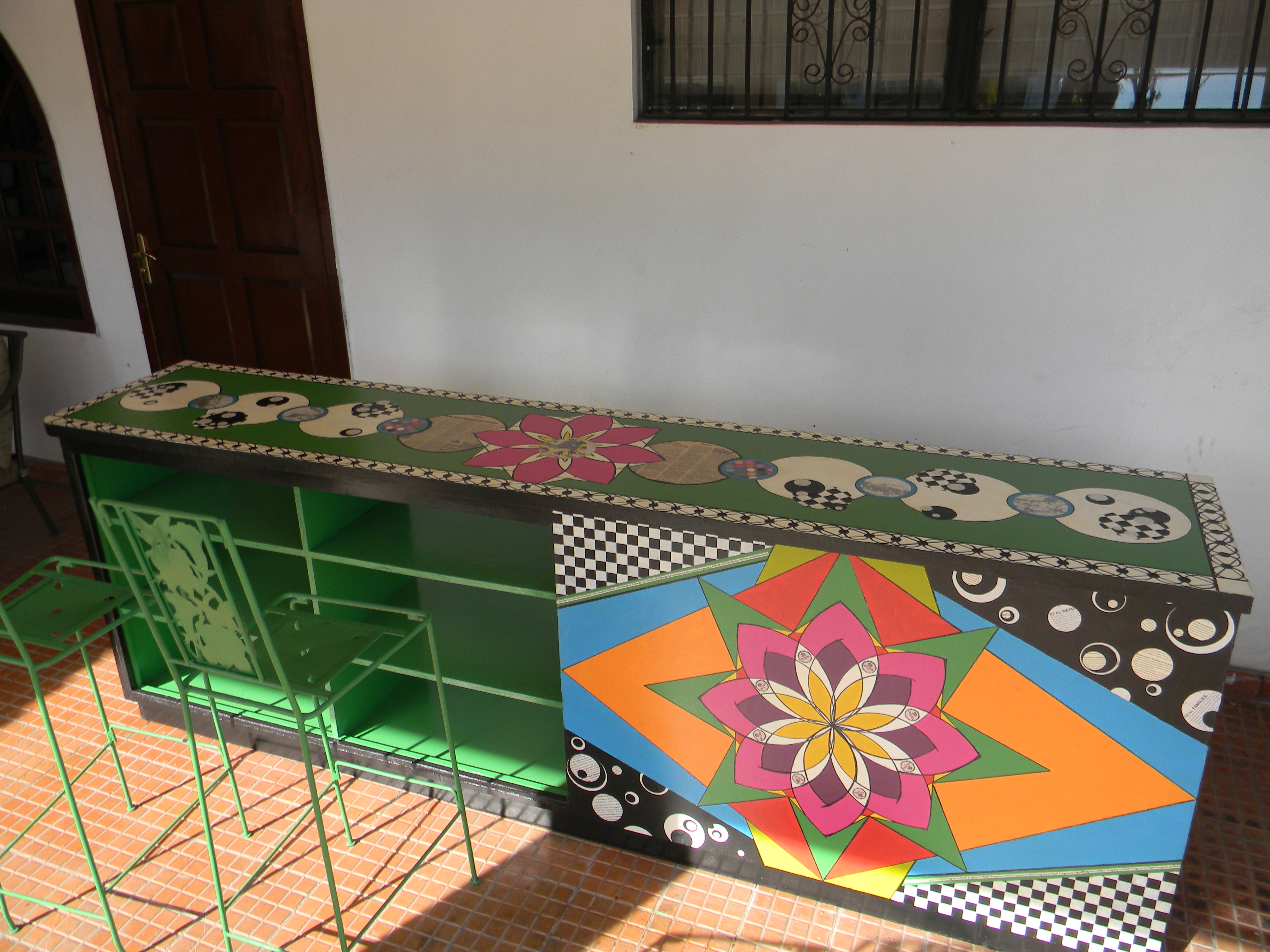
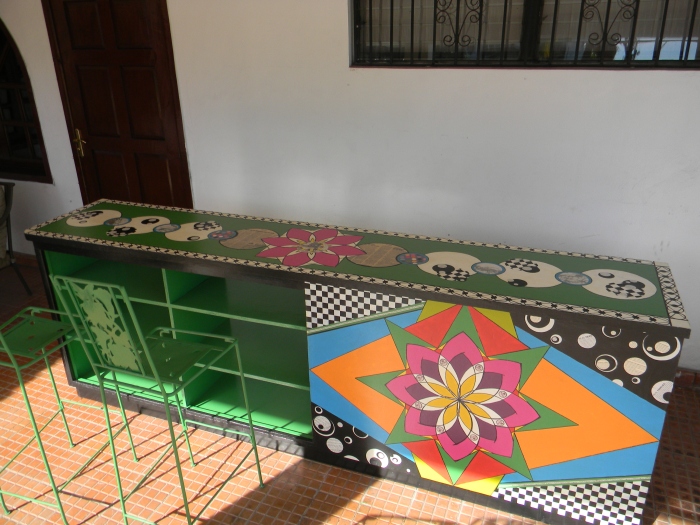
Indeed, one of the gifts I’ve given is a large piece of art, one I created for Sara’s NGO from a throw-away piece of furniture—a huge serving bar I painted last summer.
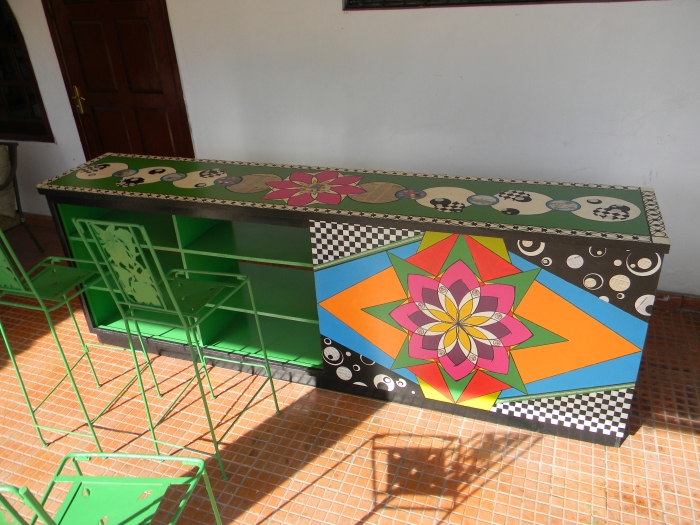
 

The bar is nearly 9 and a half feet long and lives on an upstairs patio at Sara’s office in Port-au-Prince.

It was white, ugly, an eye-sore, really.  But Sara wanted to save it.  She thought it, like Haiti itself, should be given a second chance at life, that the bar could be used for receptions, to serve meals on special occasions.  She thought I was the one to midwife this rebirth, that I was the one to take on the task, that as someone who has repurposed art as part of my own recovery, I could gift a born-again bar to the wonderful people who work here.

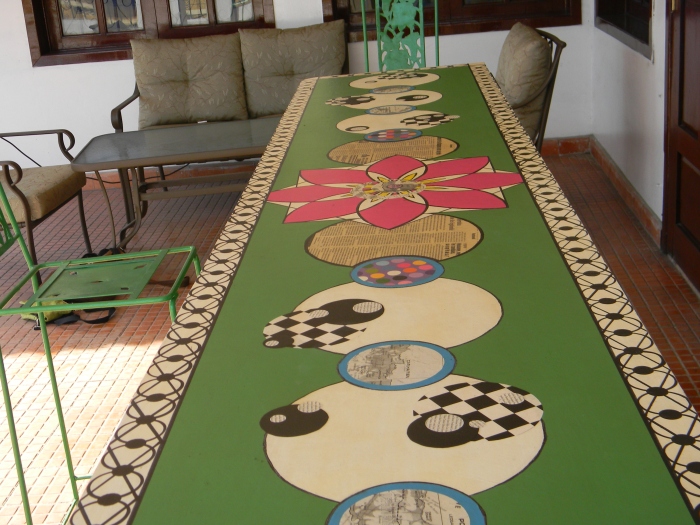
I loved the idea and took on the project enthusiastically, in the end creating a mixed-media piece—one that incorporates the organization’s logo in strategic places, as well as decoupaged-maps of Port-au-Prince and each location in Haiti the organization works.

I also included stories from the local newspaper, highlighting big events in the news during the months after the earthquake.
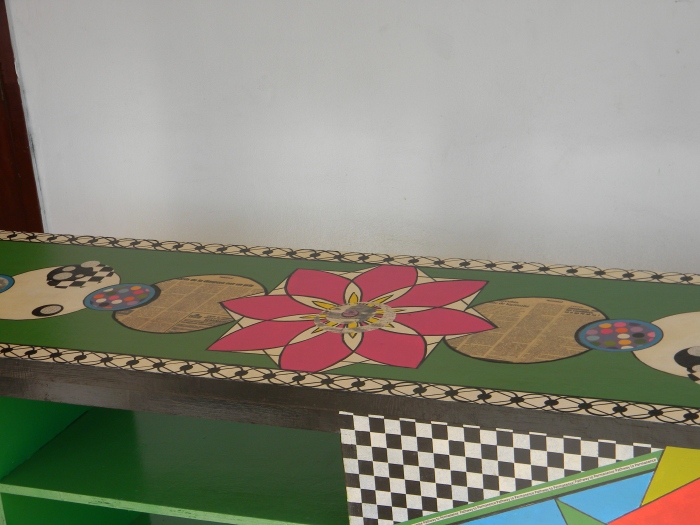
I included text from the organization’s 6-month, post-earthquake report, as well as the names of almost all the people who had worked on the NGO’s reconstruction effort—folks from more than a dozen countries around the world.
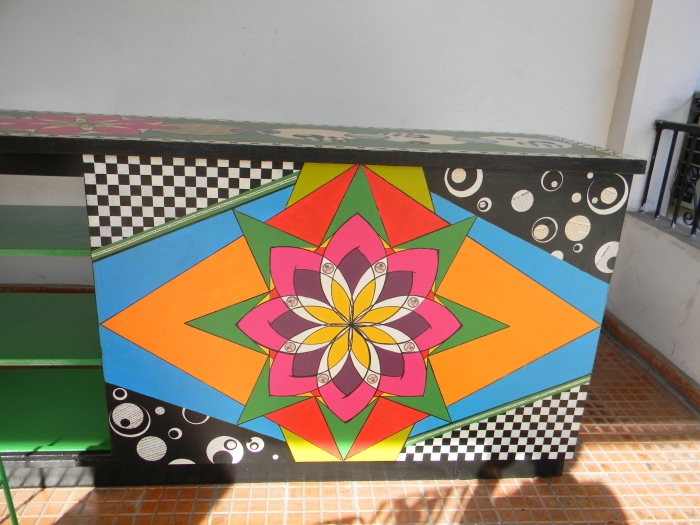
The front of the bar repeats the organization’s logo above each flower petal:
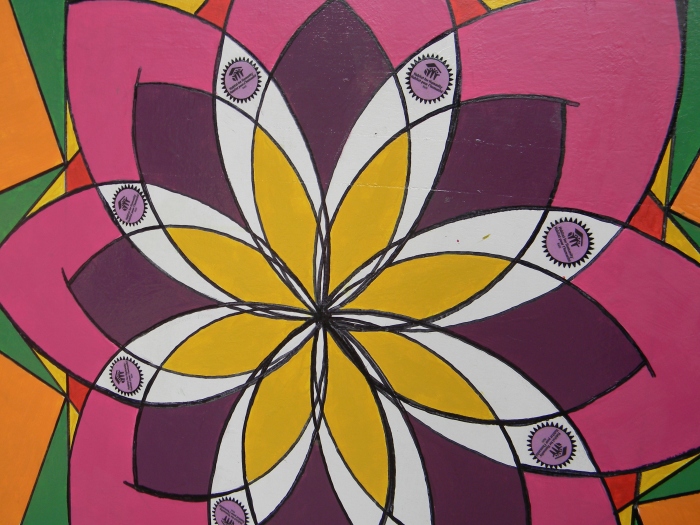
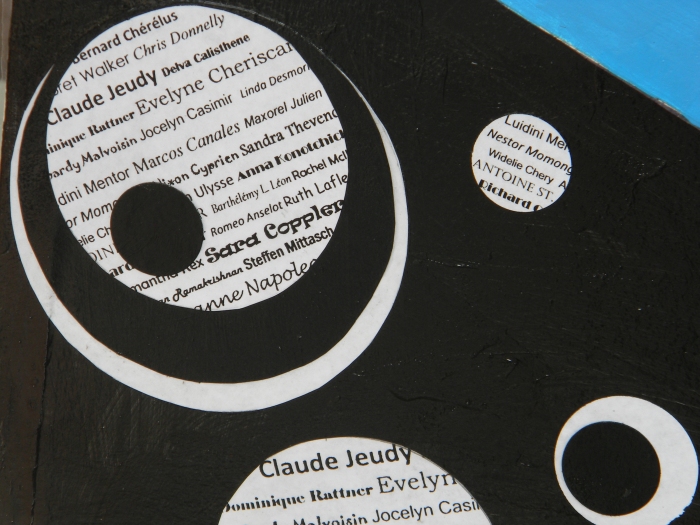
As well as the names of staff in black and white circles:
The top of the bar includes the maps and newspaper text:
However, soon Sara and I will leave Haiti; soon we’ll leave the places mapped on the bar-top at a bit of a distance, at least geographically.
And though we’ll leave when the organization’s work here is still incomplete, though in many ways it seems too soon, I’ll leave a piece of myself behind, one that I hope will serve the NGO’s mission here well into the future.  I’ll leave not only a piece of my art, but also a piece of my heart, knowing this is not really an end.  We leave but others will come.

Haiti has taught me this lesson: that indeed good things can come from our departure.   It has taught me not only how to birth a new bar, but also  how to hope, how to see potential in seeming destruction,  how to dream a new dream, how to hope a new hope.  It’s reminded me that, if art can come out of sickness, then indeed beauty can come out of the earthquake’s ruin. 

I believe that in every beginning an end is waiting to happen and from every illness or devastation a new beginning will grow.

Peace to people of Haiti—

And thank you!

Because every reader is a gift and every comment a surprise–


Okay, here’s my question: 

Would you all mind if, every once in a while over the next couple of weeks, I share some of my favorite things with you?

I’m not going to have tons of time.  In fact, I may have very little of it—in which case I could wrap up some special treats—foiled paper, beautiful bows—and give you periodic peaks—sort of, my special wishes for while I’m away.

Because every reader is a gift and every comment a surprise--

Now, I won’t literally be “away”—just preoccupied with moving out of Haiti and home to Kentucky:

me,
one disaster-response refugee,
two dogs,
and a whole house full of stuff.
 

(Good God, the task is daunting!)

So—

Today, in honor of this get-the-hell-out-of-Haiti-favorite-things series, I offer you—

(steel drums playing)

a medium box
calico paper
butterfly bow—
 

My absolute, favorite movie as a child,

The Sound of Music  and  (appropriately enough)—

“My Favorite Things”—(now, aren’t you surprised!)

What was your favorite movie as a child?

And, what’s one of your favorite things?

Okay–I apologize. 

I woke up to this morning to, “You mean to tell me you build up a readership, and then you throw your audience my “Favorite Things!”

She insists this was a throw-away post, that I would have been better to post nothing. 

So, I promise–no more soft posts!  I will write, write, write–even through the move!  I’ve got a monster in the bed next to me insisting, I don’t dare let you down again–especially if indeed  “every reader is a gift and every comment a surprise!”

Sara won’t stop mockingly singing “My Favorite Things!”