Haiti Inhabits my Old Kentucky Home


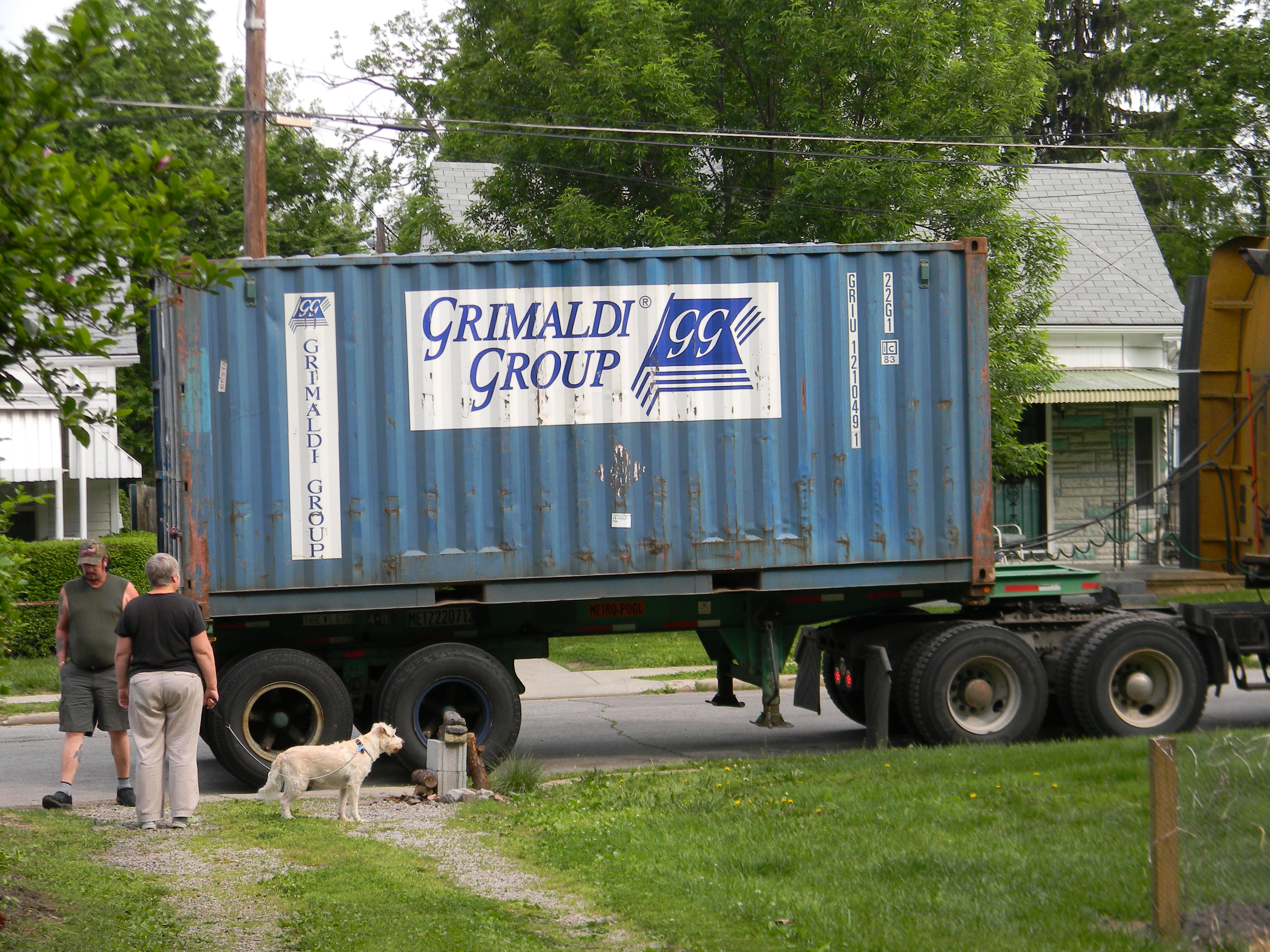
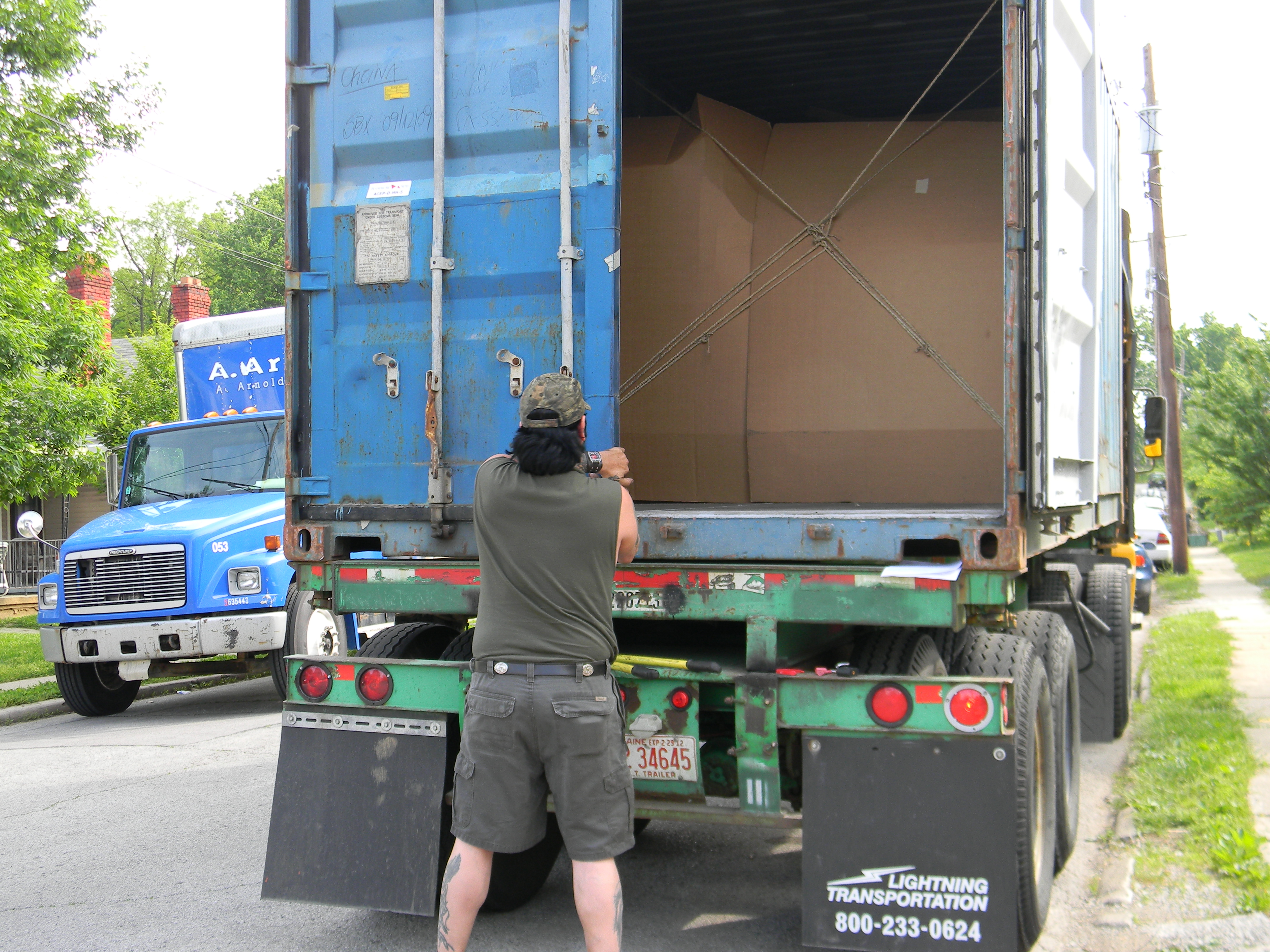
The transfer of power is complete in one Kentucky living room, as, indeed, a pair of Lexington lesbians took control of one Haitian shipping container, an over-sized metal box that moved in Friday morning, coughed its content on the lawn, and quickly left the scene.

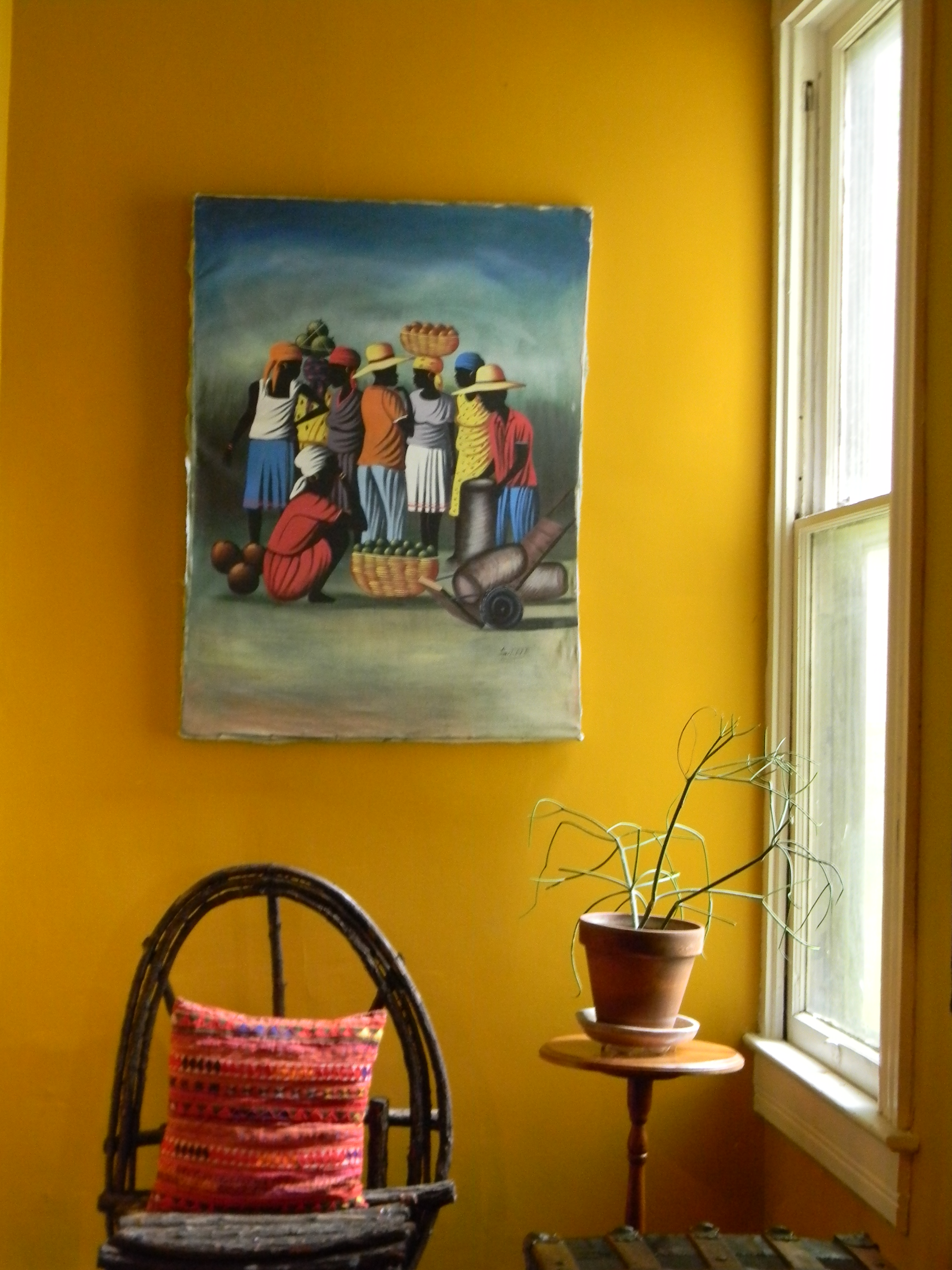
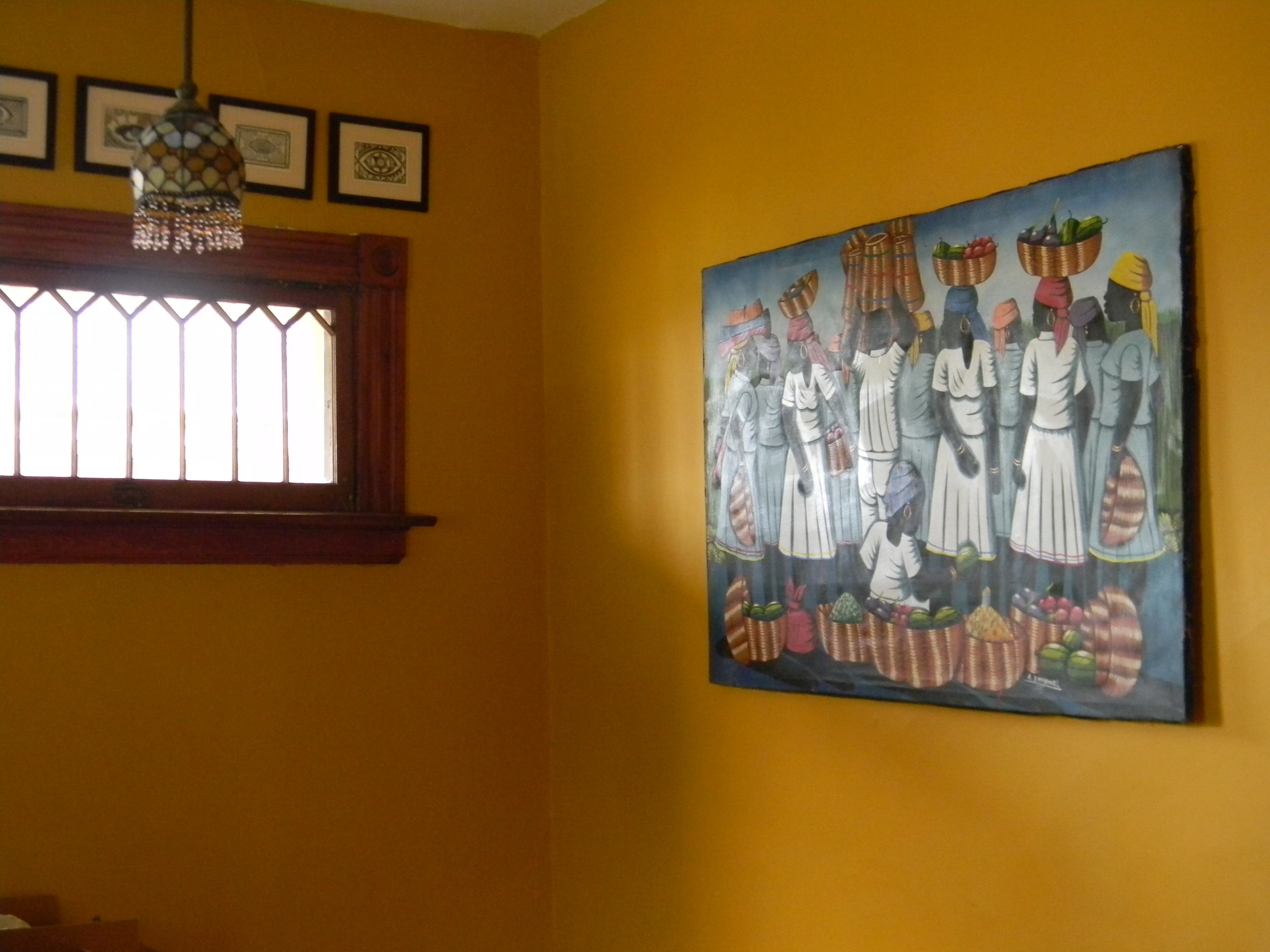
Ultimately dishes, pots and pans were put away; paintings and iron sculptures made their way onto walls. 

An incredible scene of order and international diplomacy, as Lexington welcomed Haiti to its old Kentucky Home.  Even Donald Trump tried to take credit for this display of cooperation among the Americas.

Today a photographic tour of the event—

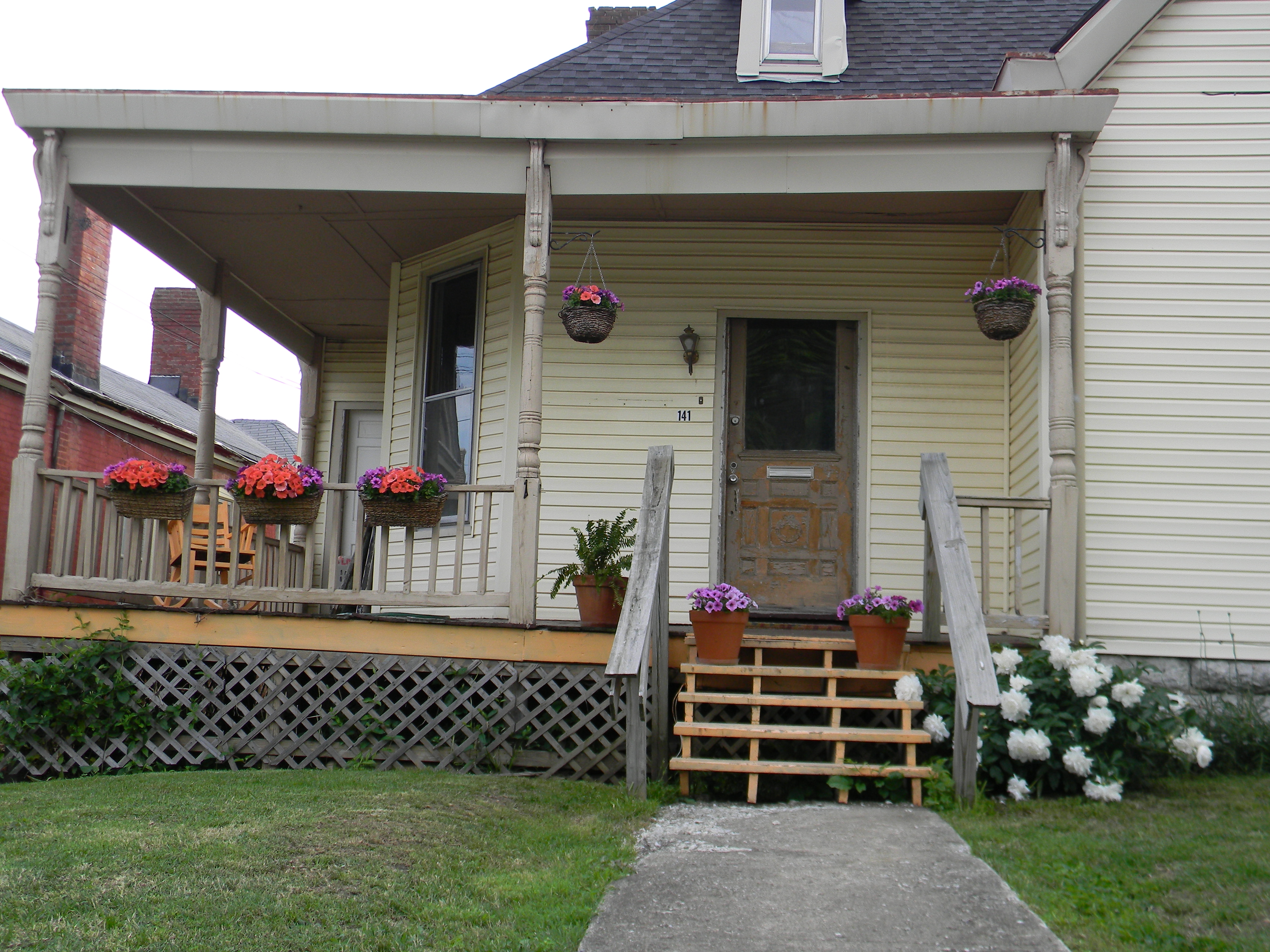
First, our house on 4th Street where the container arrived—my old Kentucky home:

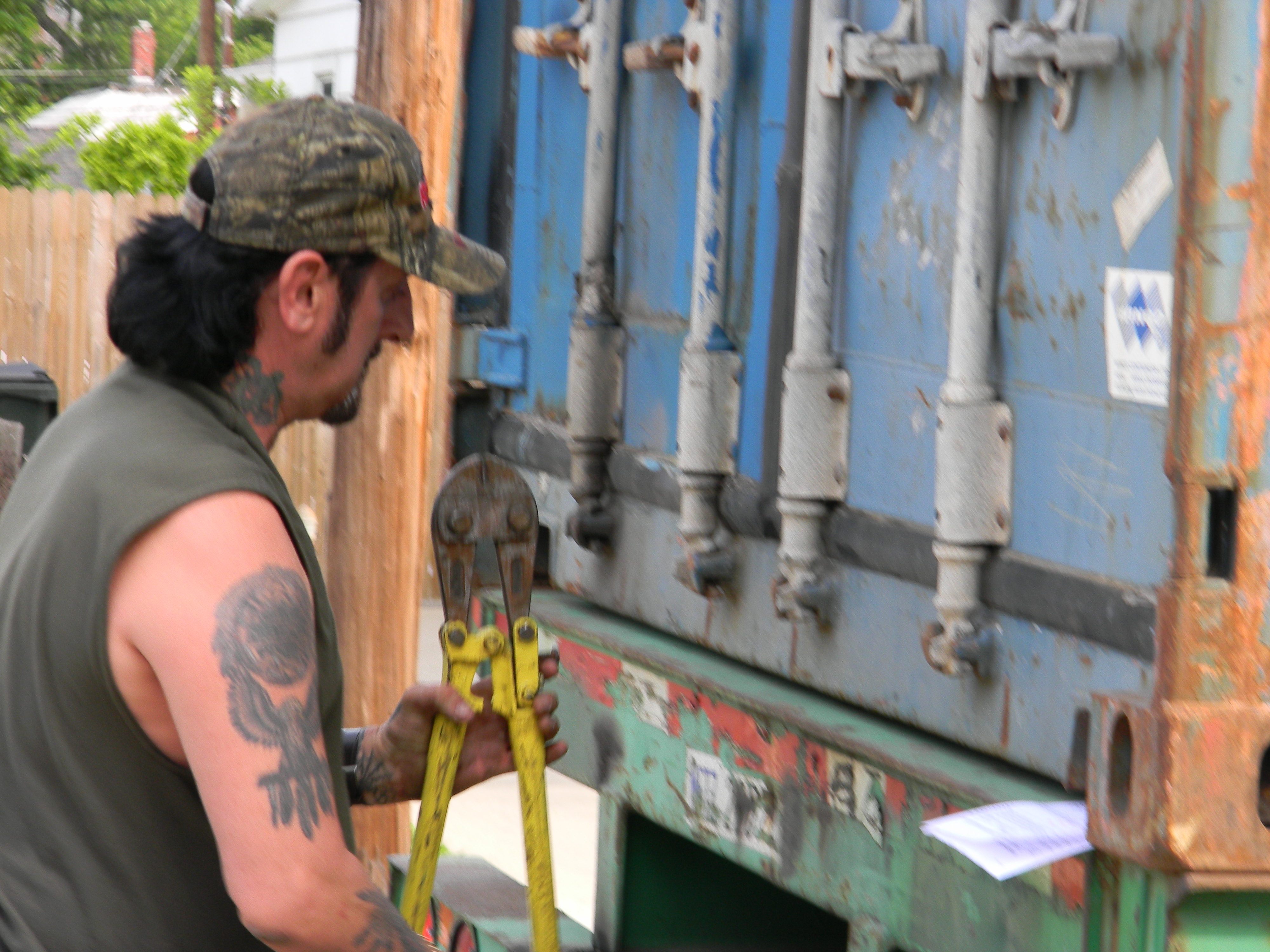
The container lock is broken:

Sara and Ralph prepare for the unpacking:

The doors open:

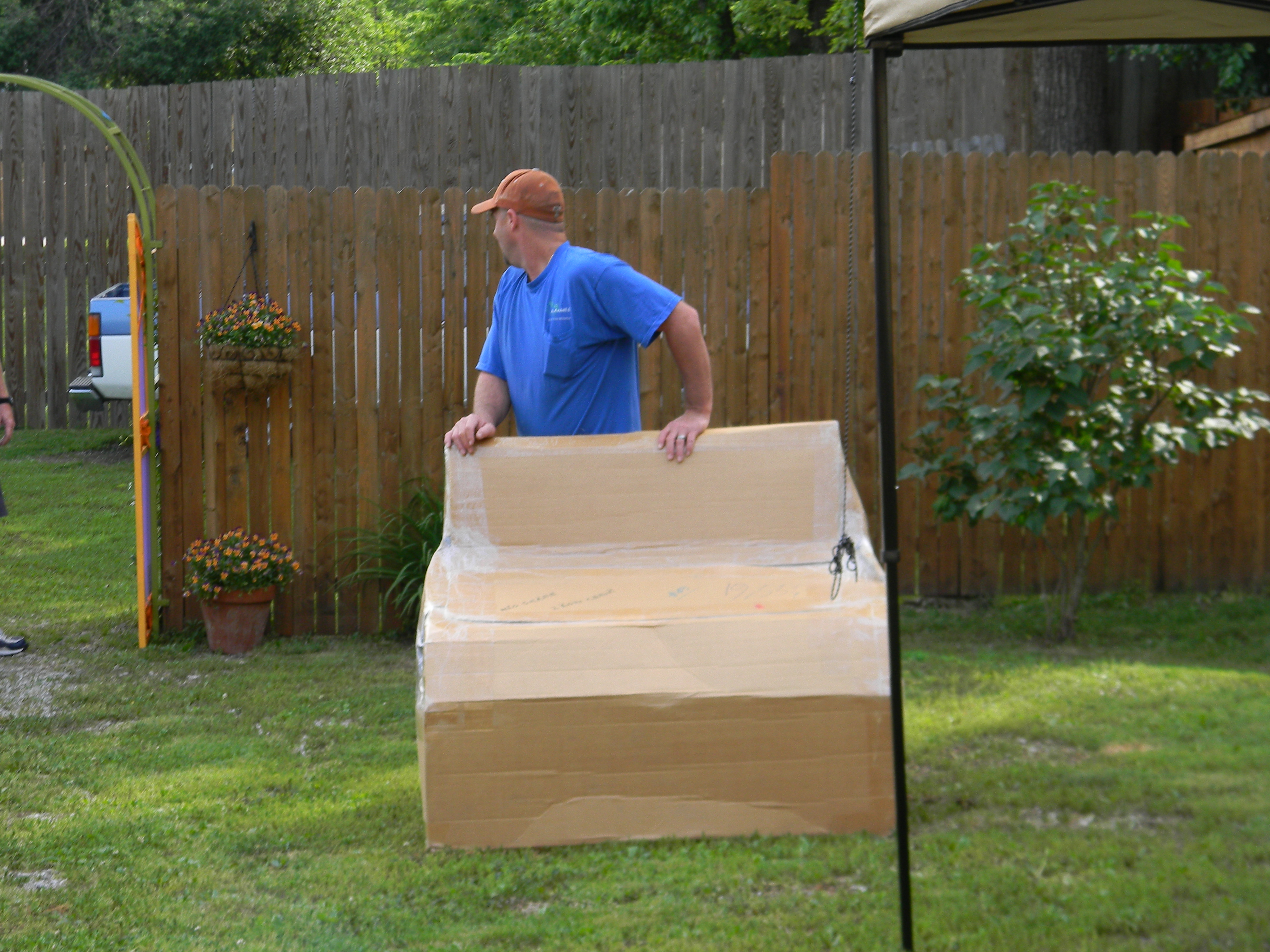
The first box arrives on Sara and Kathy’s Lexington lawn:

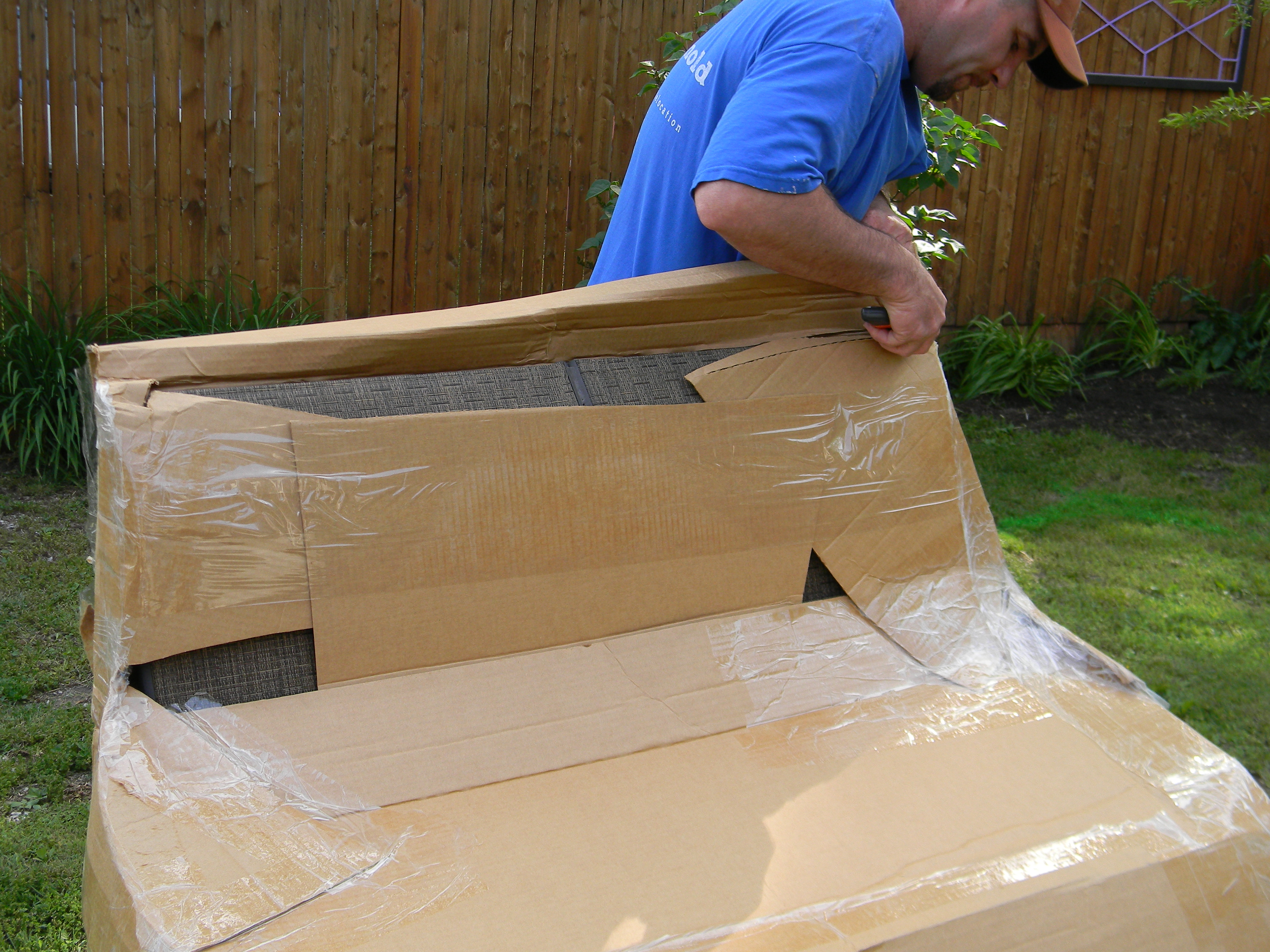
It’s like Christmas as each box in unwrapped:

More and more boxes:

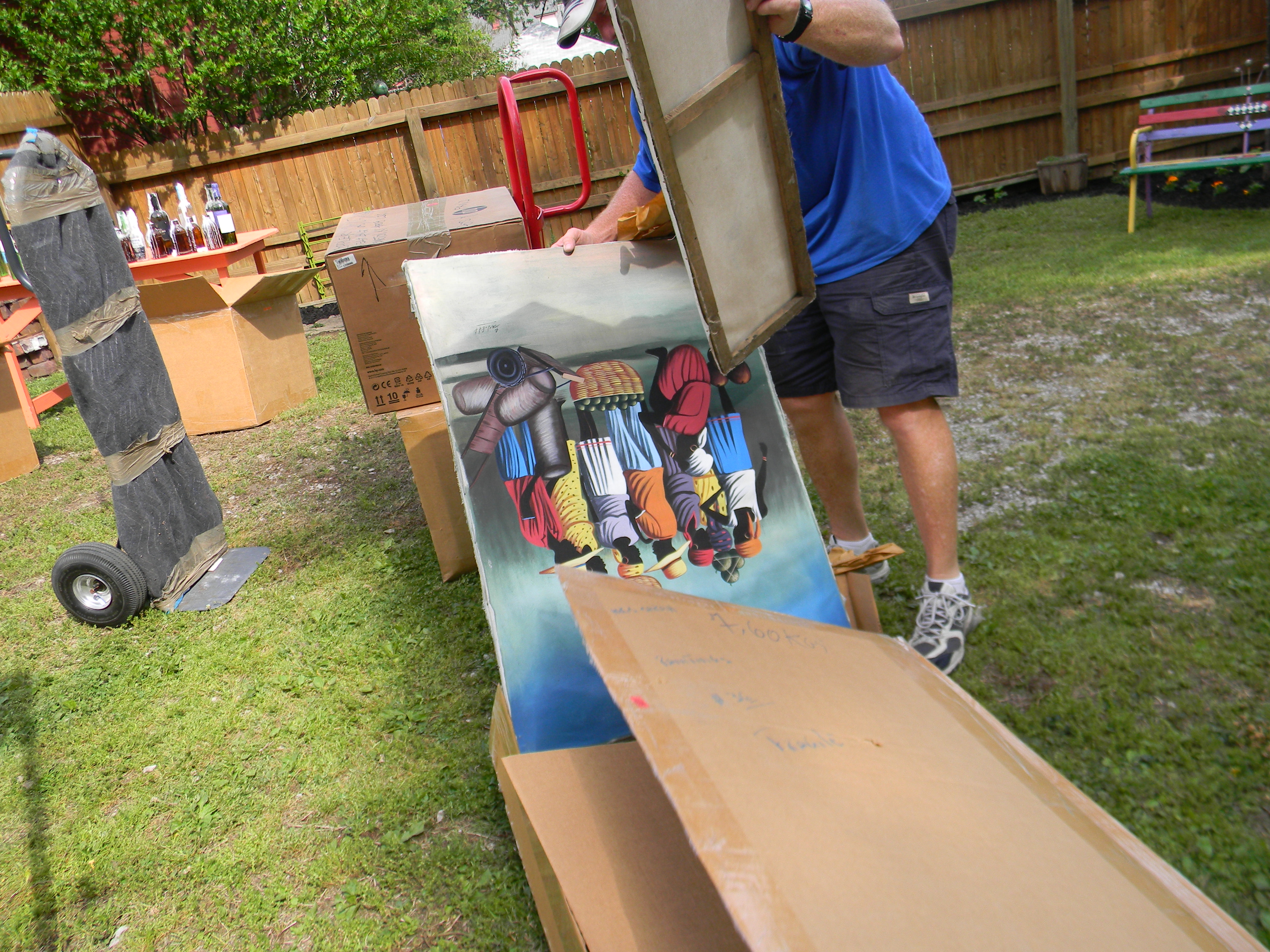
Eventually, art is unboxed:

Ralph gets in on the action–emphasis on action:

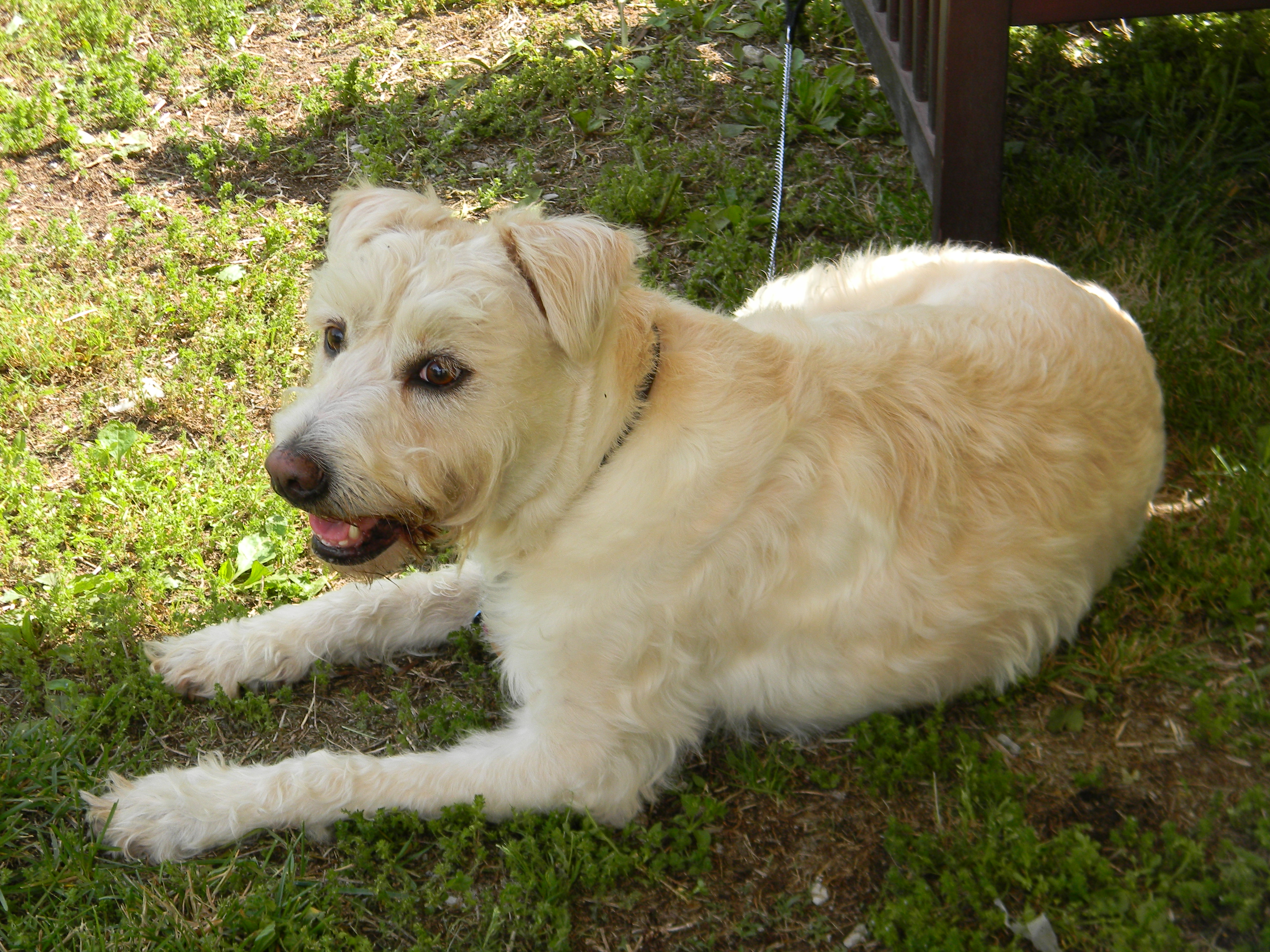
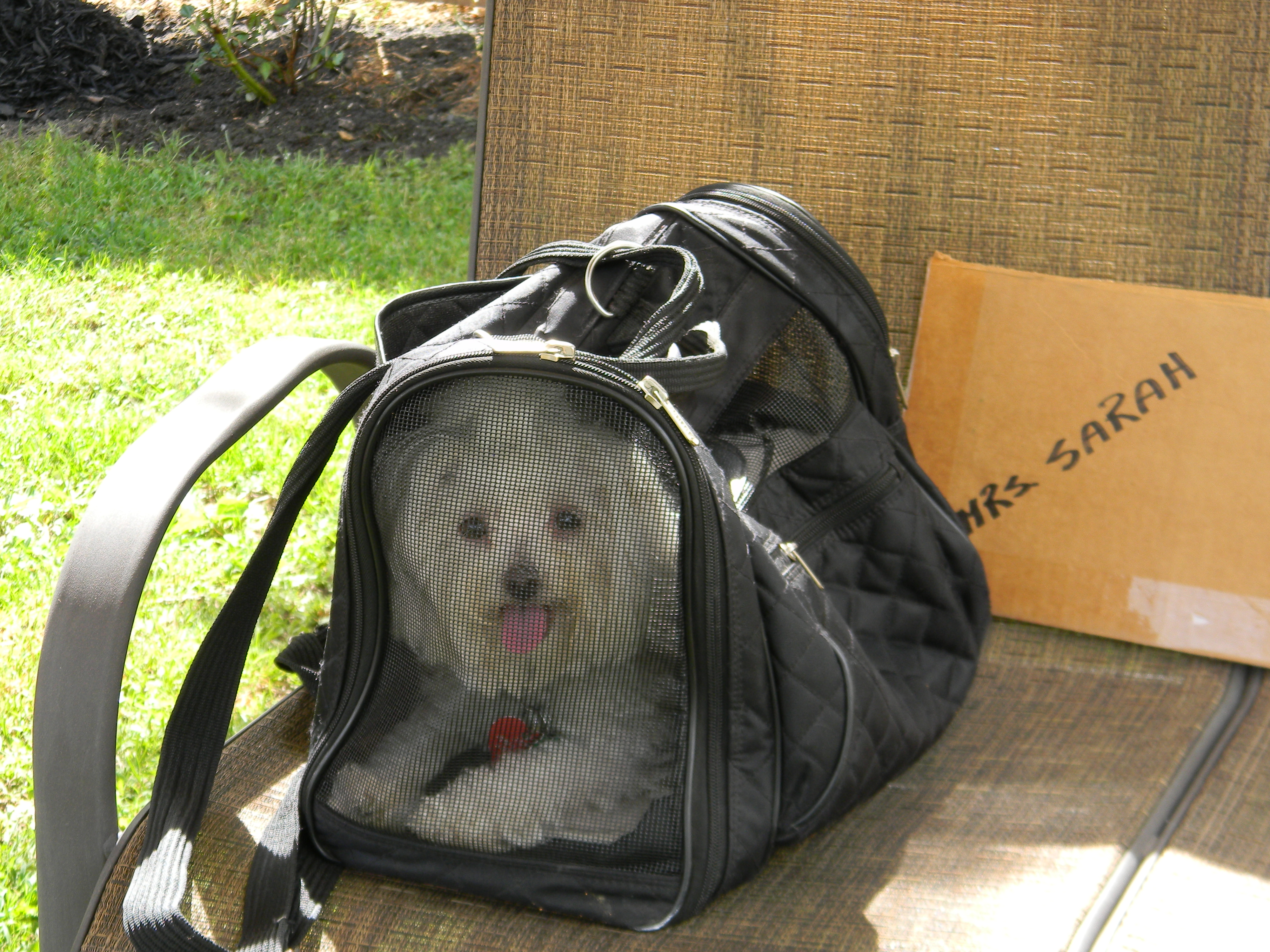
Lucy helps:

With the dogs’ help, eventually, it all gets moved indoors.  And art makes it up on walls:


More art on another wall:

Above the fireplace:

In the dining room, as well:

And even in the entrance way:

Now that we’ve about got things put away and in order, Sara will soon be reassigned to another international location, and we’ll start the process all over again in another month.

On the road again . . .

It’s the DNA, Stupid!


(in memory of my father who died May 13, 1981)

I never knew my paternal grandfather.  Sure, he died before I was born, but my father never knew him either, as least not in any meaningful way, after infancy, when my grandparents separated.

Ultimately, their ugly divorce left my siblings and I knowing nothing about the McCullough family, whose name and DNA we share.

For years I searched for information about my grandfather, as I’d been told he was a sports’ columnist for the Pittsburgh Post Gazette, perhaps the person from whom I’d inherited the urge to write.

Never finding anything meaningful, I searched, as well, for my great-grandfather, William Tice McCullough—for whom both my father and brother were named.

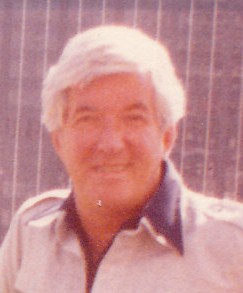
my father, who died in 1981

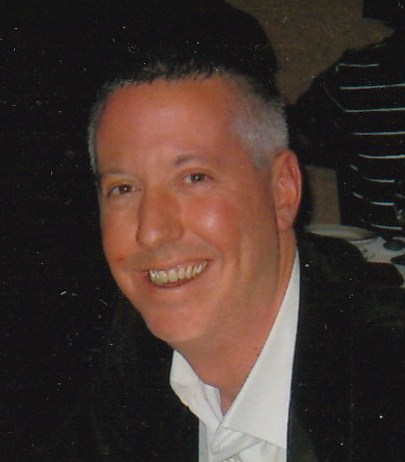
my brother

I found nothing.

Until Monday—

When I received an email response to an Ancestry.com inquiry I made in 2005:

William Tice McCullough was born in California, Ohio in 1873 and married a woman named Minnie from Pittsburgh born in 1875.  He is the grandfather of David McCullough, the historian, by one son and Nancy McCullough Griggs, who is being buried today in the North Cornwall cemetary, Cornwall CT, a grandchild by another son.

It turns out that William Tice McCullough had several sons, three of whom were Mark McCullough, father of Nancy McCullough Griggs, buried this week in Connecticut, Christian Hax McCullough, father of historian David McCullough, and Horace George McCullough, my father’s father.

As a writer, what interests me the most, assuming I received accurate information, is that my father was the first cousin of David McCullough, a two time Pulitzer Prize winner.

David McCullough

So, maybe there are some writerly genes in McCullough DNA.

Maybe there’s hope for my memoir after all.

“Brainwashed” for Sanity’s Sake? (Sheltering Crazy in America)


As, I suggested yesterday, mental illness for me meant an ever-evolving sense of place.  It meant, more specifically, my middle class experience of home quickly degenerated, as I found myself in the most secure and restricted units of state-run psychiatric facilities. 

And what was most strange about this already bizarre devolving was the feeling that I belonged there—that I was safe.  I not only felt secure, I felt contained nowhere else, believed I belonged in those narrowed limits of opportunity and options. 

Tell me where to go; tell me when to eat.  I was fine with all of that.  Just don’t make me face a time-is-money world where feelings mattered less than what one earned and the kind of car one drove.  This all drove me to the brink and back, and I wanted to be nowhere near the edge where “me” met world, where folks felt fine that I was on the edge of nowhere and falling off.

At Parkside Hospital in Oklahoma, I wrote about feeling okay with my incarceration, recording on March 19, 1990:

. . . I worry a lot about the outside.  This place feels so safe and secure—except for the fact that my animals are not here.  They’re really the only thing I miss . . . .

I remember that the hospital, ironically, allowed me a feel a glimmer of hope—less like a complete failure, since I didn’t have to face the fact that I couldn’t function—that I couldn’t complete the tasks of daily living.  In the outside world I faced my inadequacies on every front.  Since even brushing my teeth felt like an over-whelming task, I couldn’t manage to do much else, let alone cook or clean.  In the hospital, however, I only had to brush my teeth—nothing else was expected of me.  So I was free to feel success even on these very limited terms.  Once I’d showered or combed my hair, I didn’t then have to face fixing myself something to eat, seeing that the dishes were done, the floor was swept. 

In the hospital’s shelter I could actually luxuriate in having accomplished a shower and change of clothes, since sanity was a huge enough task in and of itself.  I lived moment by less-than-sane moment, reaching for some semblance of sanity—some semblance of safe, if only in the ritual of bathing.  The hospital was where I managed to literally bathe, so that my thinking, as well, could be baptized in the basics of sanity.  Here shelter meant washing (brainwashing even), a sacrament of clean.

 (to be continued)

Note:  We just found out that our 20 foot container from Haiti should be delivered to our home in Lexington on Thursday or Friday.  This could impact my ability to post later in the week, as we will have 66 boxes to unpack in an already full house.

Also, I forgot to mention yesterday that my post “Leaving the Seclusion Room” was published as an op-ed in this past Sunday’s Lexington Herald Leader.  Editors at the paper changed my title and a few sentences here and there, but if you’d like to take a look, click here.

Blogs Go Ghandi


Blogging is about community.  It’s about sharing and interacting and telling our stories.  It’s about friendship and honesty and all that’s good about people meeting people.  Blogging is about change, about language launched into action.  It’s about hope, about faith, and sometimes even about love.

So it’s happened in the past week, since I’ve been recognizing Mental Health Awareness Month, two bloggers have visited my site, two women who have fabulous and important blogs about mental health that put Ghandi’s imperative into action—they are “the change” many “want to see in the world.”

Sandy Sue’s “A Mind Divided” explores what it means to live with bipolar disorder and uses mixed media art to image its message of hope in the midst of struggle. Just the other day Sandy wrote about the poverty that often accompanies mental illness, about having to choose between meals and medication, since sometimes she can’t afford both.  She rightly suggests that those who say money can’t buy happiness . . .

. . .  aren’t considering those of us who walk to the grocery store when we don’t have enough money to get gas for the car.  Or who simply stay home, because funds for the groceries aren’t there, either.

Reminding us that “in all the ways that matter, money does buy happiness,” Sandy focuses a light on an ugly underside of mental illness, the poverty that often prevents patients, no longer able to work, from getting the medications they need and sometimes even food to eat.

However, “Suicide Ripple” delivers an even more sobering message—that, indeed, some don’t live long enough to go without medication or become hungry, because a hard, cold fact remains: mental illness kills.  Begun by the friend of a bipolar-diagnosed woman, who committed suicide in January of this year, “Suicide Ripple” is about

the effects such a suicide has on a family, a community, even people who didn’t know the person who completed suicide. This one act by one individual causes a ripple effect that can reach hundreds of people all over the country, even the world.

 The writer hopes her blog will prevent others from ending their lives, showing the impact such deaths have on loved ones left behind, as well as comfort the survivors themselves, creating a community of support.

The bottom line is this—social media has massive impact, affects the way we think about ourselves and the communities we’re part of.  As such, blogs should be used to lessen isolation, loneliness, depression and despair.  If blogging can create the very thing so many suicide victims lack, the very thing that drives them to end their lives and hurt the ones they love, if blogs can build community, create caring environments where sharing can be safely and anonymously undertaken, then  more mental health professions should exploit this potential, and many more who live with mental illness should tell their stories, talk about their struggles, share the hope and joy, peace and comfort that come with recovery.

May more of us use our blogs to affect change.  As Ghandi so wisely advised, “Be the change you want to see in the world.”

another variation on not-so-sane


Today I’ll share yet another poem I wrote during my 1990 admission to Parkside Hospital, a psychiatric facility in Tulsa, Oklahoma.

If yesterday’s poem demonstrated how my associations had loosened (in the psychotic sense), if it betrayed the way my brain was processing (or not processing, as the case may be) something we’ll loosely call information, then today’s piece provides the same kind of evidence, indicating even more strongly how strange my “thinking” had become. 

parkside hospital       

     “I am in my own mind, / I am locked in the wrong house.”

      —Anne Sexton, “For the Year of the Insane”

you wonder why I am sick but
you must come to understand
that apple trees drop apples
before they’re ripe and the
apples rot.
 
you must come to understand
that I am made to think of
kitchen utensils and screwdrivers
which belong in separate
drawers but which for me
are all mixed up with cotton
balls and alcohol and clothes
pins that are used to
hang laundry on the line.
 
doing laundry is a difficult
chore.  i have trouble getting
the spots out, getting blood
out of panty crotches, so that
when they dry, they dry stiff
more like cardboard than cotton.
 
(25 march 1990)
 

I apparently went round and round with this during my stay at the hospital, as I have several variations in my journal.  I won’t bore you with the embarrassing awfulness of any others.

Please know though, that I have no earthly idea what this means and will rightly claim the insanity defense, for what it’s worth.  What was I thinking?  Likely, a strong case could be made that I wasn’t thinking with anything remotely resembling reason, let alone sanity.

But then again, maybe I’m looking at this the wrong way, maybe my inability to make sense of this is a lesson in learning to develop empathy for myself, for who I was at that time.

How scared I must have been!  How confused! 

And what about others, the ones who are still struggling, right now–in real-time? 

Let’s remember them————————